Eyes as a Window to Health: How to Recognize Eye Problems in Dogs and Cats
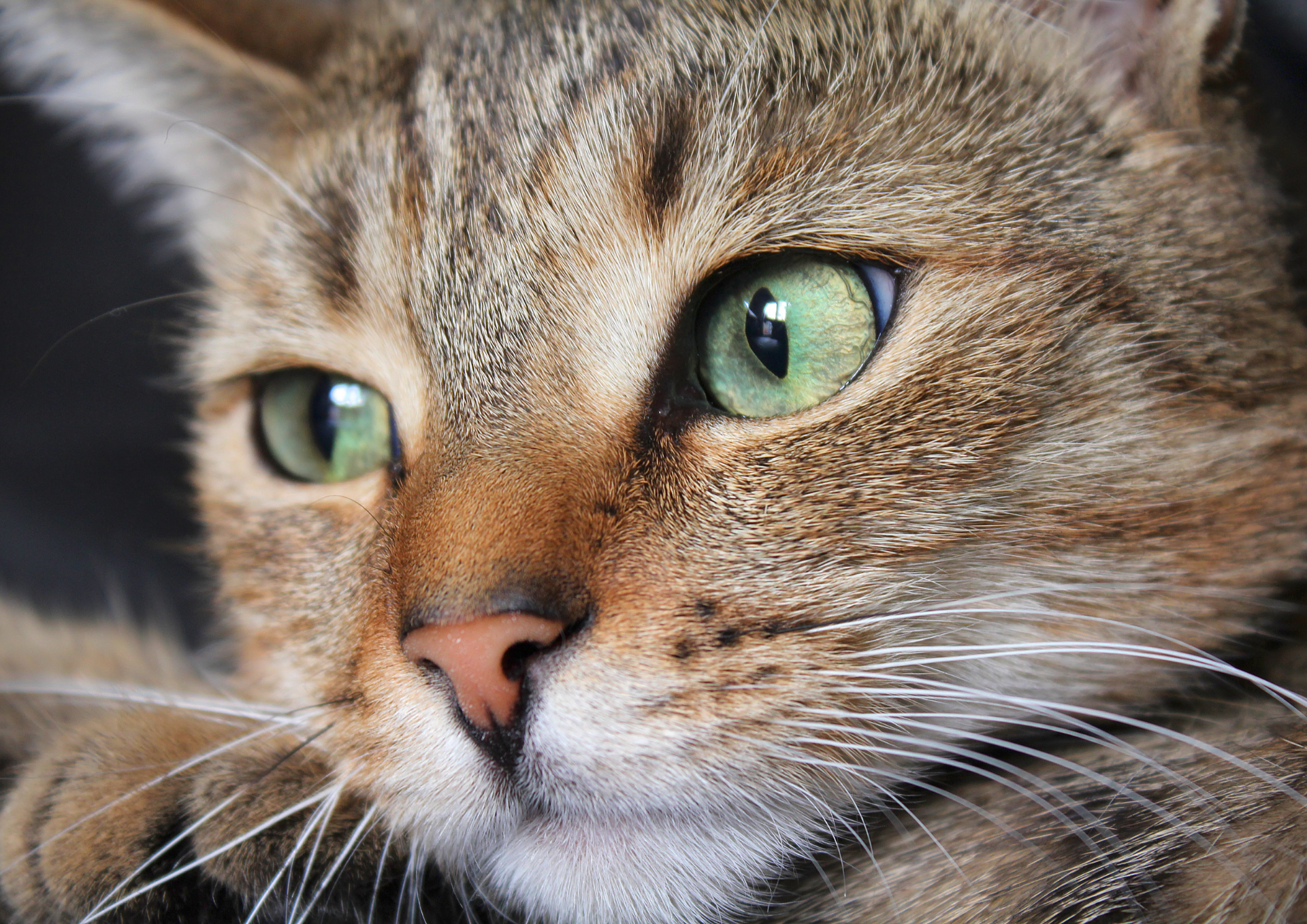
If you have ever noticed your dog suddenly squinting more than usual or your cat persistently keeping one eye partially closed, you have probably wondered whether it is something serious. Sometimes the cause is minor, but the eyes are often among the first indicators that something may be wrong.
Our pets cannot tell us when their eyes hurt, burn, or feel uncomfortable. Instead, they communicate discomfort in their own way—by pawing at their face, squinting, rubbing their eyes, or even changing their behaviour.
That is why eyes are much more than just the “window to the soul.” They are an important indicator of overall health, and a veterinary ophthalmic examination can help identify problems early and protect what matters most: your pet’s vision and quality of life.
Veterinary Eye Examinations: Much More Than a Quick Look
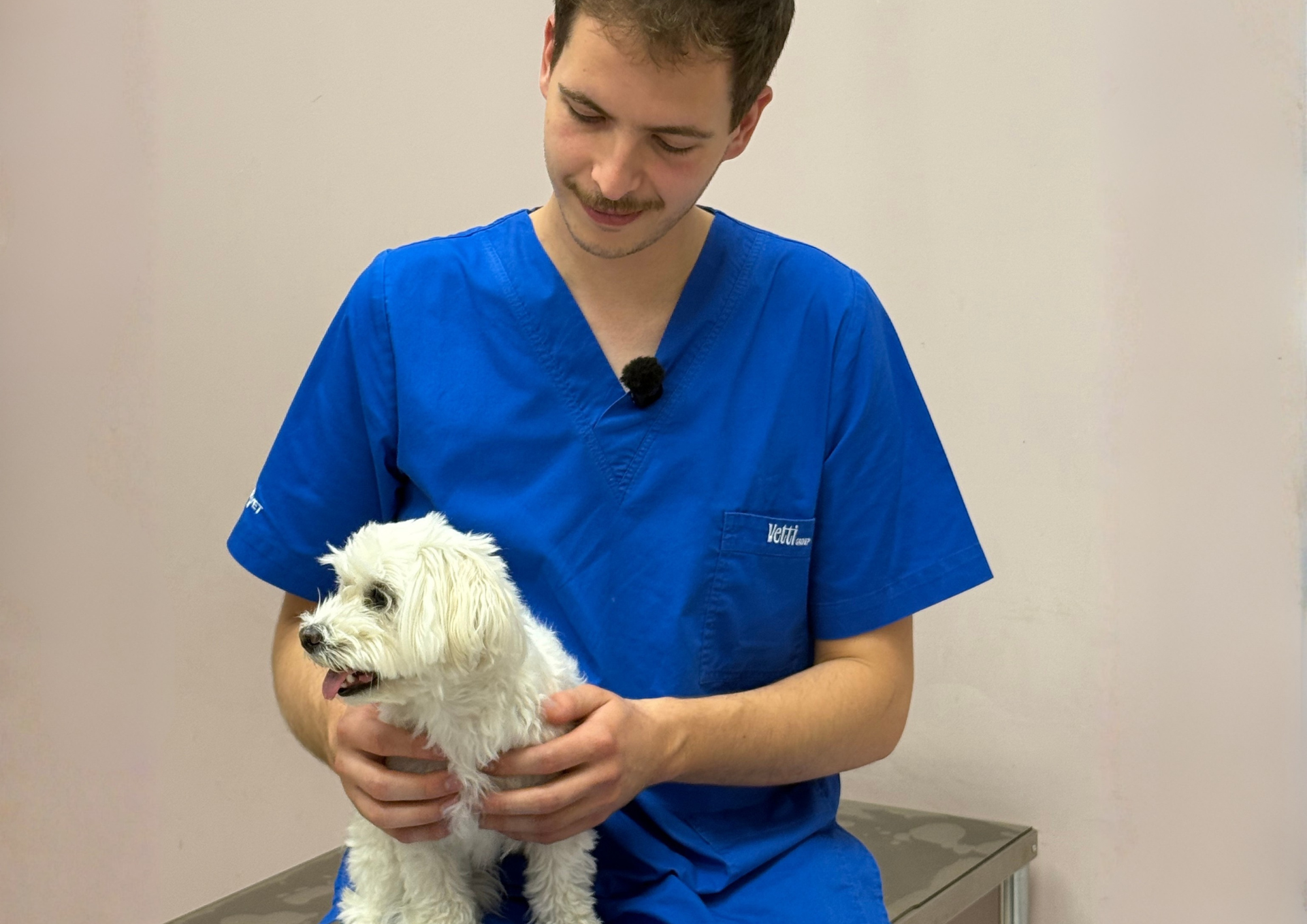
If you have ever brought your pet in for an ophthalmic examination, you may have been surprised by how thorough the process actually is. It involves far more than simply looking into the eye and applying a few drops.
Every examination begins with a neuro-ophthalmic assessment, during which we evaluate the function of the nervous system and the eye’s reflexes. We then carefully examine the eyelids, eyelashes, and surrounding tissues, paying particular attention to the tear film, which plays a vital role in protecting the surface of the eye.
This is especially important for dogs and cats suffering from dry eye syndrome, a condition that can cause discomfort, chronic inflammation, and damage to the cornea.
Next, we examine the anterior segment of the eye, followed by the posterior structures, including the retina and ocular fundus. To perform these assessments, we use specialised equipment such as a slit lamp and both direct and indirect ophthalmoscopes, allowing us to evaluate every part of the eye in detail.
In other words, we see much more than what is visible to the naked eye. 😉
When Tearing, Redness, and Squinting Are More Than Minor Irritations
Many eye injuries occur during the activities pets enjoy most—running, playing outdoors, and exploring the world around them. A playful afternoon in the park, a dash through bushes, or an accidental scratch from a paw can easily result in injury to the cornea or eyelids.
While these injuries can look alarming, the good news is that many can be successfully treated with eye medications and regular follow-up examinations.
Of course, some conditions require immediate veterinary attention.
One of these is uveitis, an inflammation of the middle layer of the eye that can cause significant pain and serious complications if left untreated.
Another is glaucoma, a condition caused by increased pressure within the eye. Pets with glaucoma may suddenly begin squinting, avoid having their head touched, or become unusually withdrawn. Because glaucoma can lead to permanent vision loss, prompt diagnosis and treatment are essential.
When it comes to eye disease, there is one rule we often repeat to pet owners: if you are unsure whether a problem is serious, it is always better to schedule an examination than to wait.
Advanced Ophthalmic Surgery in Veterinary Medicine
Not every eye condition requires surgery, but when surgical treatment is necessary, precision is absolutely critical.
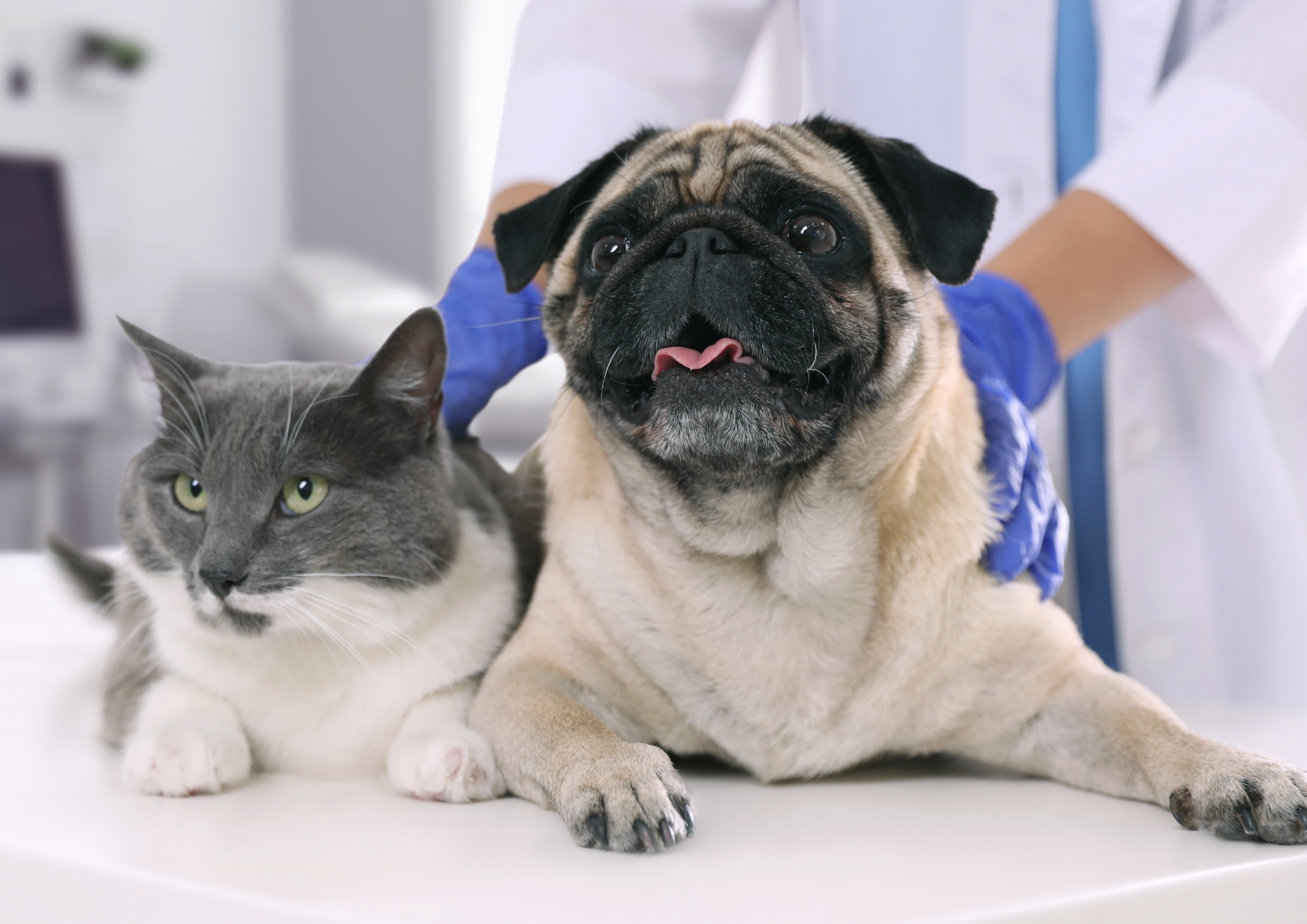
For eyelid procedures, we use specialised surgical loupes that allow us to work accurately on very small anatomical structures. During corneal surgery, we use an operating microscope that provides greater magnification and exceptional visual detail.
One of the conditions we frequently correct is entropion, a disorder in which the eyelid rolls inward, causing the eyelashes to continuously rub against the eye.
A similar problem occurs with distichiasis, where eyelashes grow from abnormal locations along the eyelid margin. In these cases, we may use a CryoPen device to perform targeted cryotherapy and remove the problematic hair follicles.
For certain corneal ulcers that fail to heal properly, we use an AlgerBrush®, a specialised diamond-burr instrument that helps stimulate the cornea’s natural healing process.
Yes, it sounds highly technical. But the goal is always the same: helping pets return to a comfortable, pain-free life and enjoy the world around them again.
Why Are Brachycephalic Breeds More Prone to Eye Problems?
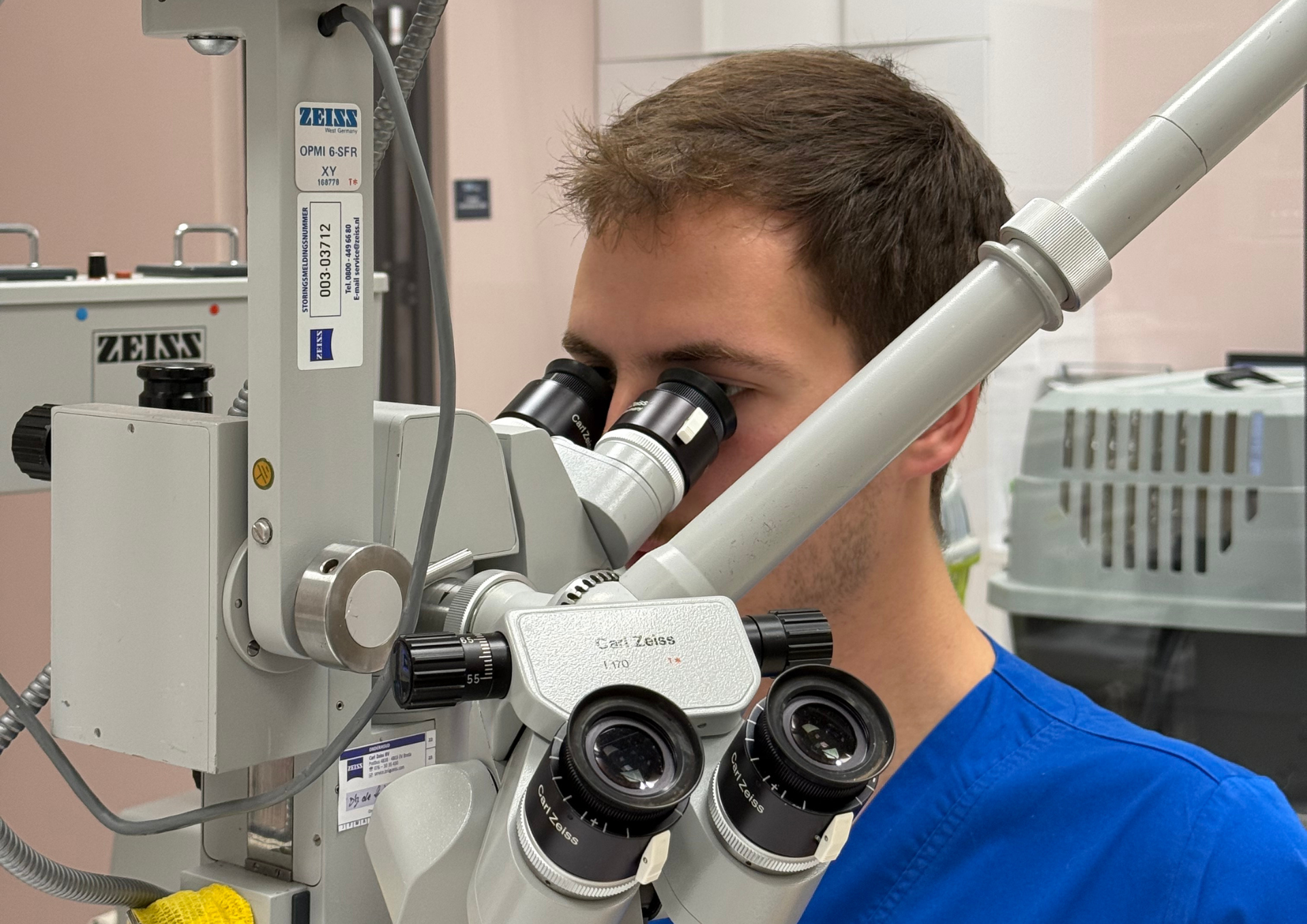
If you share your home with a Pug, French Bulldog, Shih Tzu, Pekingese, or another brachycephalic breed, you have probably noticed that their large, expressive eyes are one of their most charming features.
Unfortunately, these breeds are also more susceptible to ophthalmic problems. Their eyes are more exposed to environmental factors, increasing the risk of irritation, corneal injuries, dry eye syndrome, and delayed healing of corneal ulcers.
For this reason, signs such as excessive tearing, squinting, redness, or eye discharge should never be ignored. What appears to be a minor issue today can quickly develop into a much more serious problem tomorrow.
Postoperative Care: A Key Part of Recovery
Many owners feel a great sense of relief once surgery has been successfully completed—and understandably so. However, recovery is just as important as the procedure itself.
During the first few days after surgery, mild squinting, tearing, or slight swelling may occur. These signs are usually expected and form part of the normal healing process.
The most important responsibilities during recovery are administering prescribed medications as directed and preventing your pet from rubbing or scratching the operated eye.
We understand that protective collars are rarely a pet’s favourite accessory, but they are often one of the most valuable tools for a successful recovery. A single scratch with a paw can damage delicate tissues and significantly delay healing.
During the recovery period, we recommend calmer activities, patience, and regular follow-up examinations.
Our goal is not simply to perform successful eye surgery. Our goal is to help your pet return as quickly as possible to their favourite toys, daily walks, and everyday adventures.
Frequently Asked Questions (FAQ)
Can a Dog or Cat Go Blind from a Simple Eye Infection?
Most mild eye infections do not cause blindness if they are treated promptly. The real danger arises when more serious conditions, such as uveitis, corneal ulcers, or glaucoma, are mistaken for a simple eye infection and left untreated for too long.
How Can I Tell If My Pet Has Eye Pain?
The most common signs include squinting, keeping the eye closed, excessive tearing, redness, pawing at the face, and sensitivity to bright light. Some pets may also become unusually quiet, withdrawn, or less active than normal.
Can I Use Human Eye Drops on My Pet?
Some eye drops that are safe for humans can worsen certain eye diseases in dogs and cats. Always consult your veterinarian before administering any eye medication to your pet.
How Often Should Senior Pets Have Their Eyes Checked?
Senior dogs and cats should have preventive eye examinations at least once a year. Pets with existing eye conditions may require more frequent monitoring, depending on your veterinarian’s recommendations.
Why Does My Dog Have Brown Tear Stains Under the Eyes?
Brown tear stains are often caused by excessive tearing, blocked tear ducts, or breed-specific facial anatomy. Although they are not always a sign of disease, it is worth having your pet examined to determine whether there is an underlying cause.
Why Do French Bulldogs and Pugs Frequently Experience Eye Problems?
French Bulldogs, Pugs, and other brachycephalic breeds are at increased risk of dry eye syndrome, corneal ulcers, eye injuries, and chronic irritation due to their facial structure and prominent eyes. If you notice excessive tearing, redness, or squinting, an ophthalmic examination is recommended as soon as possible to help prevent more serious complications.
Mihovil Matković, DMV
Veterinary Clinic BUBA