

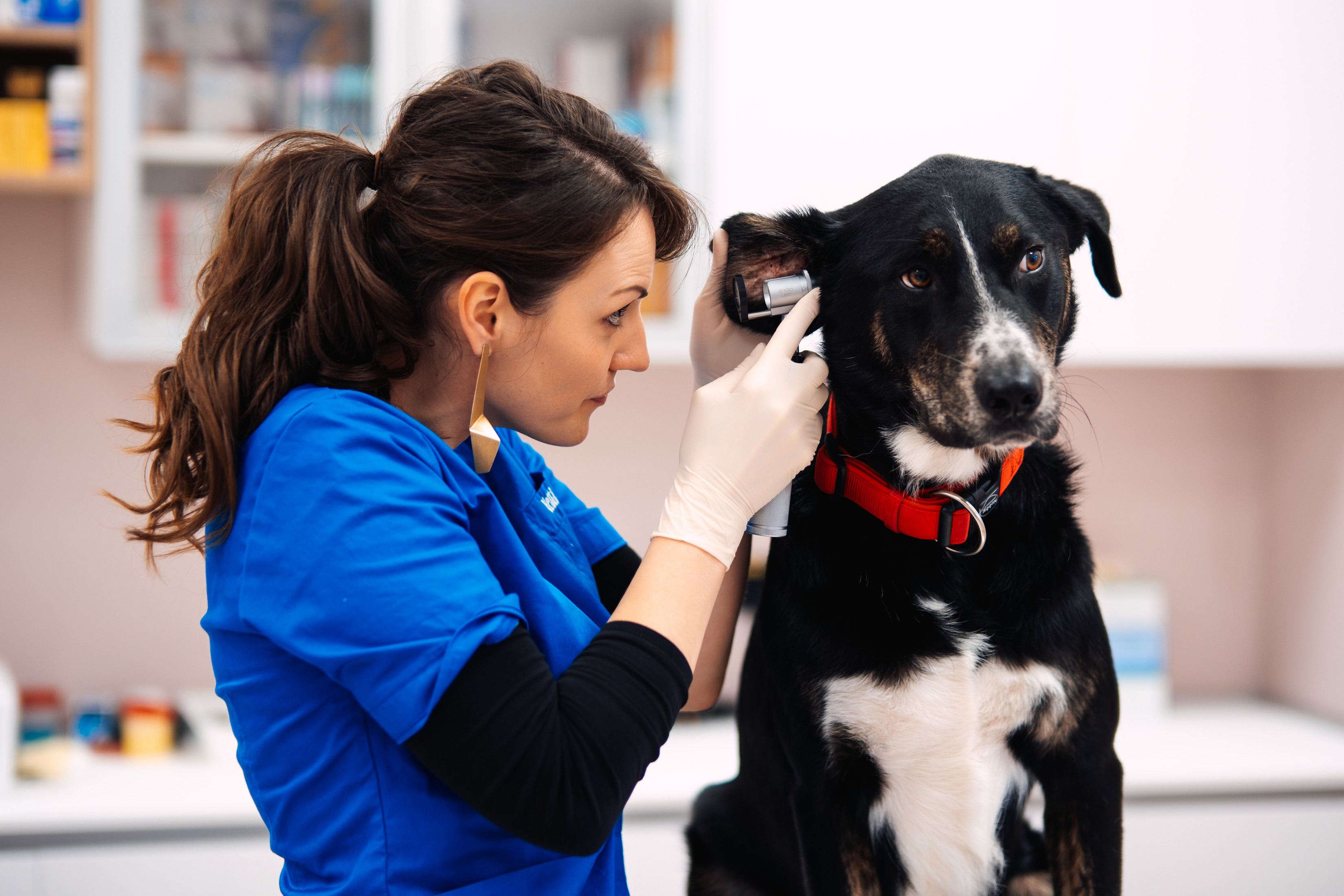
Cryosurgery and Video Otoscopy in Dogs and Cats – Modern Solutions for Skin Lesions and Ear Infections
When Scratching Becomes a Cause for Concern
A dog that once enjoyed every scratch behind the ears now pulls away or even whimpers when you try to touch that area. A cat that used to be affectionate may suddenly start shaking its head or avoiding contact.
These behavioral changes often indicate that what seems like harmless itching may actually be a sign of an underlying health issue. Skin rashes, lumps, unpleasant odors, or persistent head shaking are all signs that your pet may need a veterinary examination and a modern treatment approach.
Cryosurgery – Treatment with Extreme Cold
Cryosurgery uses extremely low temperatures (liquid nitrogen or nitrous oxide) to destroy diseased tissue. With the help of the CryoPen device, which releases gas at temperatures as low as -89°C under high pressure, the fluid inside cells freezes, forming ice crystals that rupture cell membranes. This process destroys unwanted cells, which are then gradually broken down and absorbed by the body, allowing healthy tissue to heal. Thanks to its high precision, cryosurgery can target lesions without damaging the surrounding healthy tissue. The CryoPen is especially useful for treating sensitive areas such as the eyelids, nose, or ears.
Common Applications
Cryosurgery is commonly used for dermatological conditions in dogs and cats, including the removal of warts, cysts, and skin tumors such as papillomas (small wart-like growths), histiocytomas (skin tumors), and sebaceous adenomas (benign tumors of the sebaceous glands, often seen in older dogs).
In cats, it is also used for skin carcinomas, particularly squamous cell carcinoma (SCC), which is more common in light-colored cats that are frequently exposed to sunlight. During treatment, the tumor is frozen, causing it to die and be naturally eliminated by the body, preventing disease progression and promoting healing.
Cryosurgery can also be used for oral lesions, such as papillomas in the mouth (resembling small cauliflower-like growths) and gingival tumors (lumps or thickening of the gums).
In palliative care, it helps reduce pain and bleeding in tumors that cannot be surgically removed.
Advantages and Limitations of Cryosurgery
Cryosurgery is a minimally invasive and often bloodless procedure. It can frequently be performed under local anesthesia and is ideal for small, superficial lesions and sensitive areas where traditional surgery may be risky. Another advantage is that the procedure can be repeated if the lesion returns.
However, it is not suitable for large or deep tumors, and tissue analysis is not always as precise as with surgical excision.
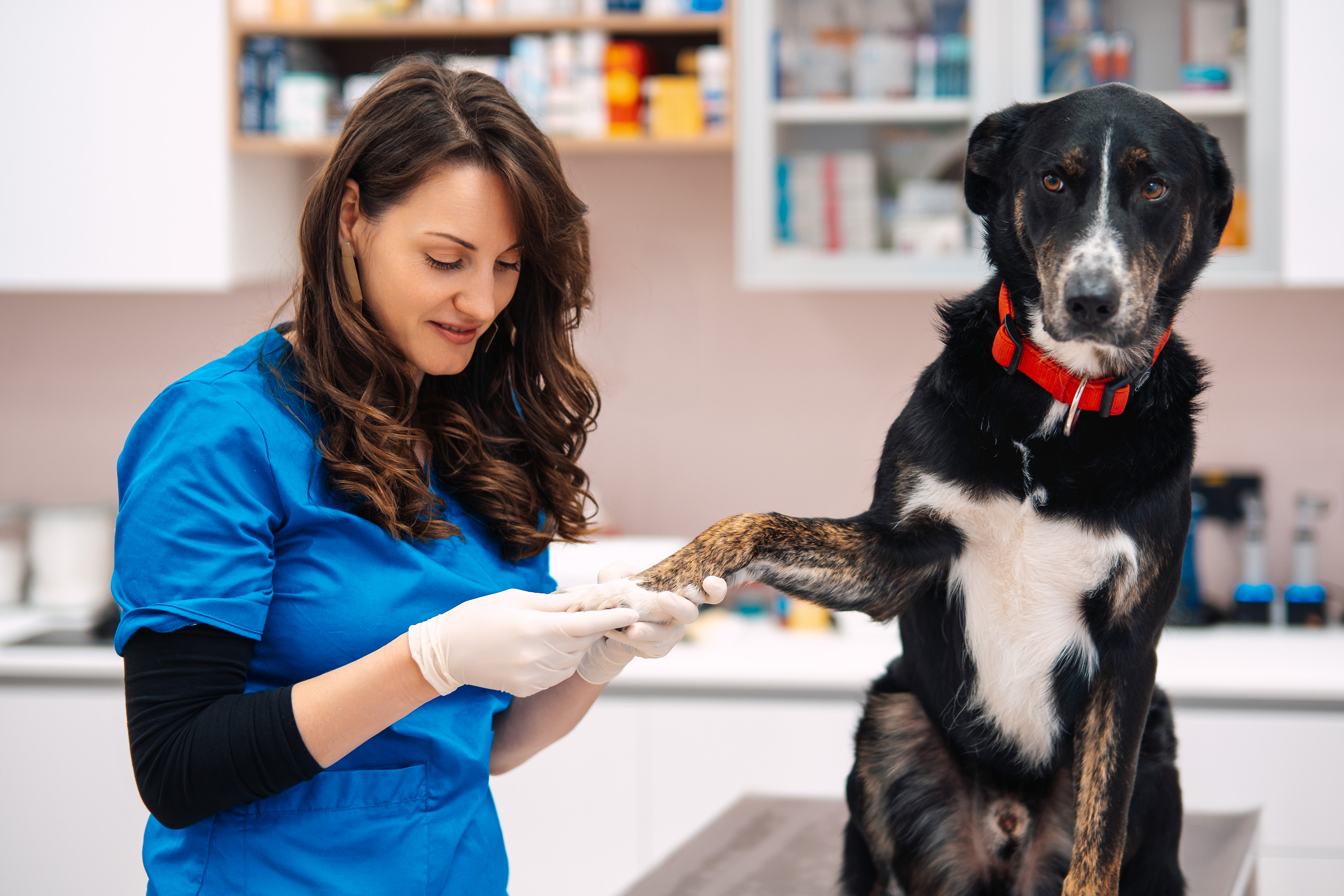
Video otoscopy – advanced care for ear conditions
If your pet is shaking its head, scratching its ears, or has an unpleasant odor coming from the ear, this may indicate an ear infection. Video otoscopy uses a high-resolution camera to provide a detailed view of the ear canal and eardrum on a monitor, offering far greater accuracy than traditional otoscopy.
Common applications
Video otoscopy is used for examining and assessing ear infections (otitis externa and otitis media), removing foreign bodies such as grass or seeds, and thoroughly cleaning pus and earwax often associated with allergies.
It also enables procedures such as myringotomy (controlled perforation of the eardrum for sampling and drainage), flushing of the middle ear, and removal of aural polyps in cats (benign growths that develop in the ear or throat and can cause discharge and head shaking). Additionally, it allows for biopsies and minimally invasive removal of tumors within the ear.
Advantages and limitations of video otoscopy
Video otoscopy allows for both diagnosis and treatment in a single procedure. The recordings can also be shown to pet owners, helping them better understand their pet’s condition. It is considered minimally invasive compared to traditional surgery.
The main limitation is that it requires general anesthesia, as animals cannot tolerate the procedure while awake.
When should you consider these methods?
It’s time to visit your veterinarian if your pet has lumps, warts, or wounds that don’t heal, skin rashes, redness, excessive scratching, or hair loss.
You should also seek veterinary care if your pet shows signs such as head shaking, tilting, ear pain, or has discharge or an unpleasant smell coming from the ear.
Changes in the mouth, such as lumps on the gums or growths in the oral cavity, should also be examined.
Early diagnosis and the use of modern methods like cryosurgery and video otoscopy enable faster recovery and reduced pain. In chronic conditions and tumors, regular check-ups help keep symptoms under control and allow your pet to live a longer, healthier, and happier life.
Ana Petak, DVM
Diplomate of the European College of Veterinary Dermatology (Diplomate ECVD)
Frequently asked questions (FAQ)
Is cryosurgery painful for dogs or cats?
The procedure is usually performed under local or short-term general anesthesia, ensuring that your pet does not feel pain. After treatment, mild sensitivity or swelling may occur but typically resolves within a few days.
For smaller lesions, anesthesia is often not required, as the extremely low temperatures temporarily numb the tissue by affecting nerve endings, preventing pain.
Can cryosurgery remove large tumors?
Cryosurgery is most effective for small and superficial lesions. Large or deep tumors are better treated with traditional surgical methods.
Why does my dog keep shaking its head?
The most common causes are ear infections, often linked to uncontrolled allergies, or a foreign body in the ear canal. If the behavior lasts more than a few days or is accompanied by an unpleasant odor, a veterinary examination is necessary.
For chronic ear issues, a video otoscopy exam and consultation with a veterinary dermatologist are recommended.
What are aural polyps in cats?
Aural polyps are benign growths that can develop in the ear canal, middle ear, or throat. They may cause discharge, head shaking, ear infections, and in some cases, breathing difficulties.
Video otoscopy allows for precise detection and removal, and in some cases, advanced imaging such as CT scans may be required for a more detailed assessment.
How often should follow-up check-ups be scheduled?
For chronic conditions such as allergies (with or without recurring ear infections), regular check-ups are recommended every 3 to 6 months, depending on the pet’s clinical condition.