


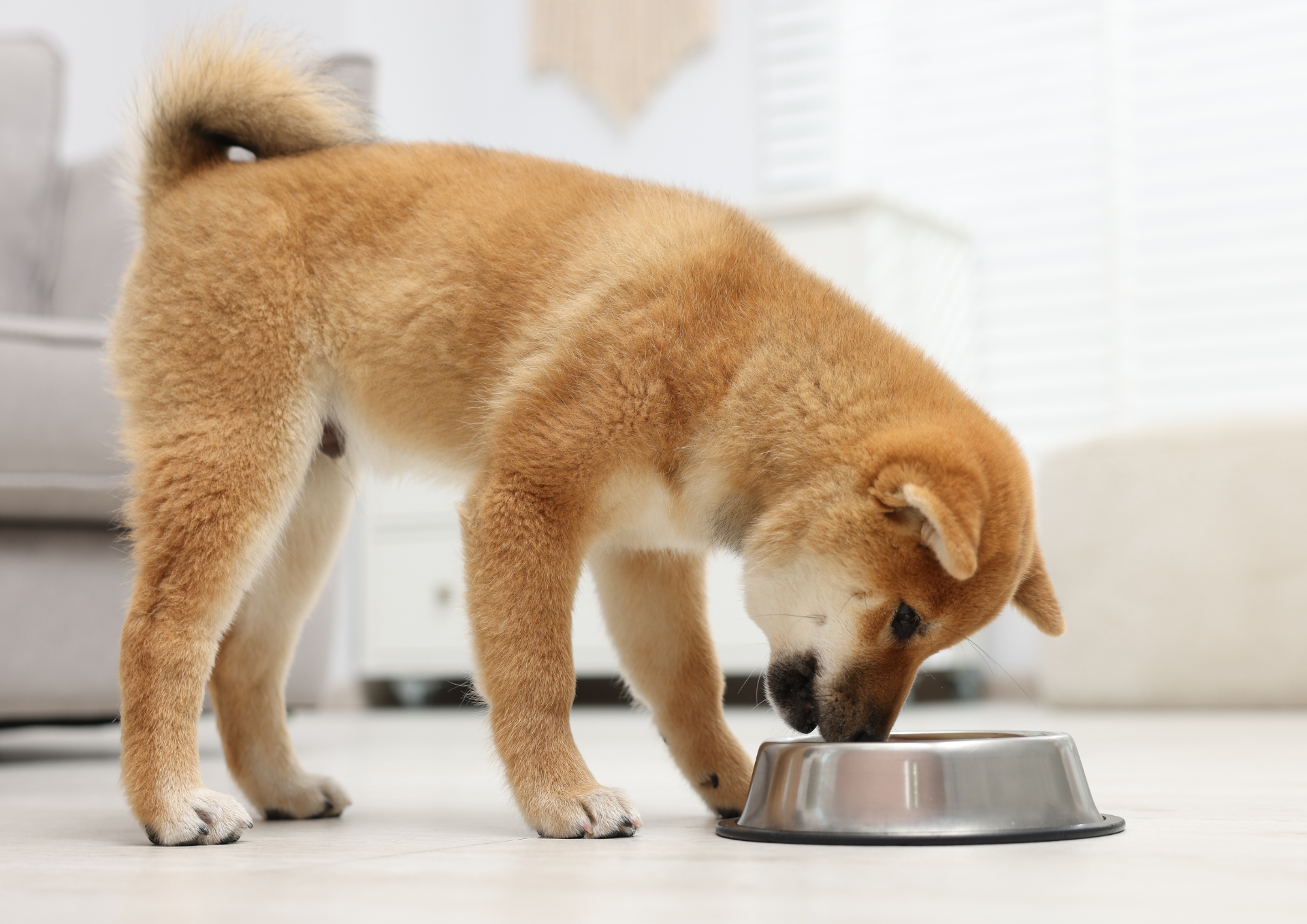
Food Therapy for Dogs and Cats: More Than Just Ingredients
Chicken, fish, oats and buckwheat are all familiar ingredients in our own kitchens, and some of them can also have a place in our pets’ diets. But did you know that, according to the principles of Traditional Chinese Medicine (TCM), food is considered not only in terms of its nutritional content but also its other traditionally described properties?
This is the foundation of Food Therapy – an approach that considers nutrition in the context of each individual pet’s needs. It is not just about what a pet eats, but also its age, activity level, digestion, constitution and current health status.
After all, just as there is no single diet that works for everyone, pets do not all have the same nutritional needs
Nutrition According to the Principles of Traditional Chinese Medicine
When we think about food, we usually think first of proteins, fats, carbohydrates, vitamins and minerals. Traditional Chinese Medicine approaches nutrition from another perspective as well, considering the properties traditionally attributed to individual foods.
For example, ginger is traditionally associated with warming properties, while mint, fresh cucumber and watermelon are associated with cooling properties. Foods are also considered in terms of their flavour and their traditional relationship with specific functional systems of the body.
What does this mean in practice? Choosing high-quality ingredients is not enough on its own – it is also important to consider how they fit the needs of a particular pet. When developing a meal plan, factors such as the animal’s constitution, age, activity level, digestive function and any existing health concerns are taken into account.
Every Pet Has Its Own Nutritional Needs
You may have heard that fish is an excellent choice for dogs or that a particular food can help with certain health concerns. However, it is important to remember that what works well for one pet may not be equally suitable for another.
For example, chicken may be a suitable protein source for some dogs, while in others, certain food ingredients may be associated with digestive issues or itching. These symptoms need to be properly assessed, as they can have a variety of causes.
Nutrition should not be considered only once a problem develops, either. Healthy pets can also benefit from professional dietary advice, while for animals with existing health concerns, nutrition may be considered as part of their overall veterinary care. It is important to emphasise that dietary adjustments do not replace necessary diagnostic procedures or medical treatment.
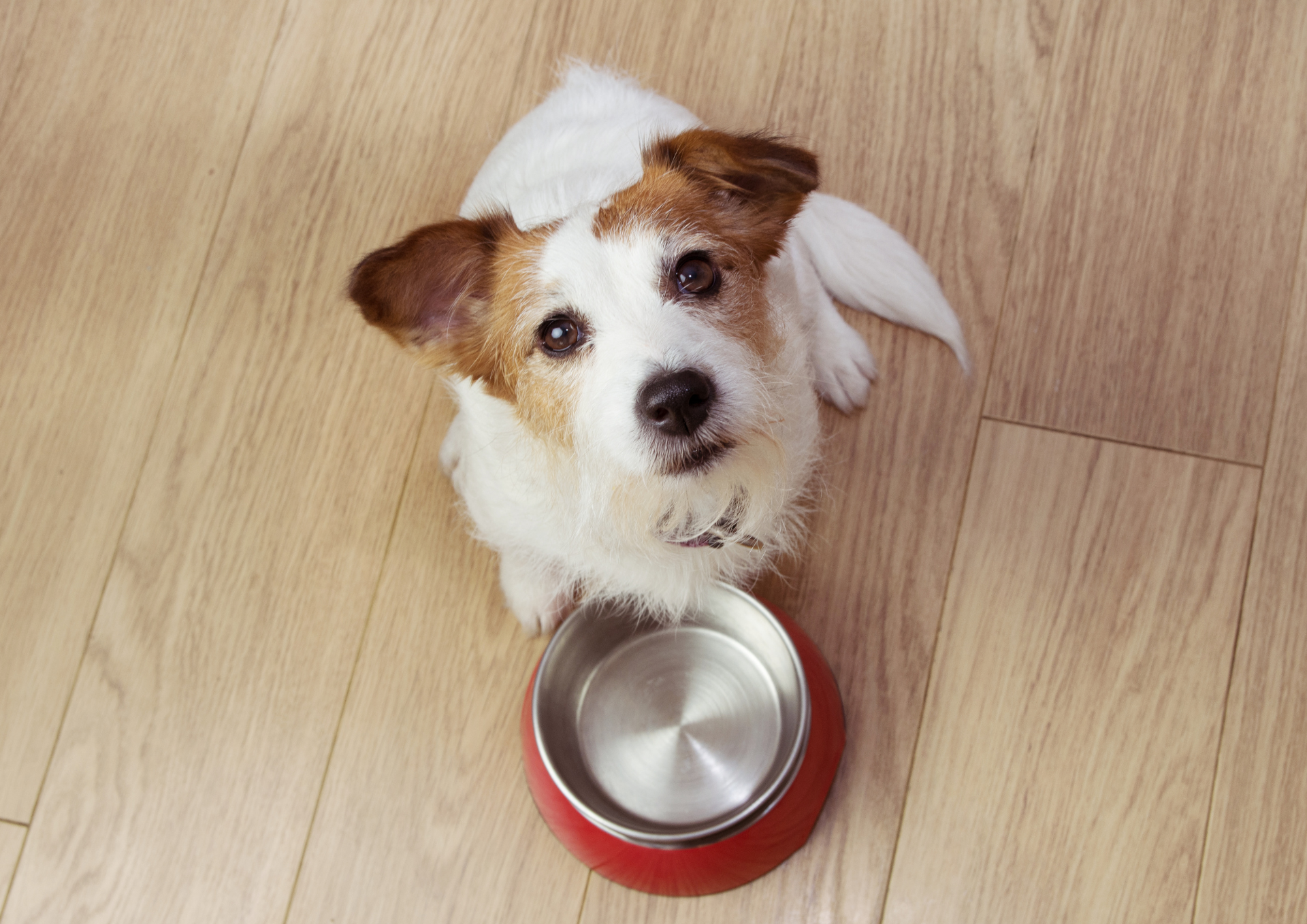
Home-Prepared Meals Don’t Have to Be Complicated
Cooking for your pet may sound like yet another task in an already busy schedule, but preparing home-cooked meals does not have to be complicated. Depending on the pet’s individual needs, ingredients such as chicken, certain types of fish, buckwheat, quinoa or oats may be included in its diet.
Some meals can be prepared in advance, divided into portions and frozen. This makes feeding more convenient without the need to cook every day.
However, even when high-quality ingredients are used, it is essential to provide the right amounts of all necessary nutrients, including proteins, fats, vitamins and minerals.
That is why it is important to seek professional guidance on meal composition and any necessary supplements before switching to a long-term home-prepared diet. The goal is not simply to prepare a meal your pet enjoys, but to ensure that it receives everything it needs to stay healthy.
Dogs and Cats Have Different Nutritional Needs
Although dogs and cats are both carnivores, their nutritional requirements differ. Cats are obligate carnivores, meaning they depend on nutrients obtained from animal-based sources, including taurine. Dogs have more dietary flexibility, but they still require a complete and balanced diet.
For this reason, a meal plan designed for a dog is not suitable for a cat, even when it consists of high-quality ingredients.
Why Is Professional Assessment Important?
The internet is full of recipes, tips and recommendations for feeding dogs and cats. Today, artificial intelligence can also help us quickly find information about ingredients or ideas for meals.
AI can be a useful tool for gathering information and exploring ideas, but it cannot replace a veterinary examination and professional assessment, which are essential for providing individualised nutritional advice.
When developing a meal plan based on the principles of Traditional Chinese Medicine, we conduct a conventional clinical examination alongside an assessment guided by the principles of this approach. Based on the information collected and the examination findings, we evaluate each animal’s individual needs and develop a meal plan that takes its health status and nutritional requirements into account.
Would you like to better understand your dog’s or cat’s nutritional needs? Are you considering preparing home-cooked meals or wondering how diet could be adapted to address certain health concerns?
At Veterinary Clinic BUBA, you can arrange an individual Food Therapy consultation and learn more about an approach tailored to your pet’s needs.
Frequently Asked Questions (FAQ)
What is Food Therapy for dogs and cats?
Food Therapy is an approach in which an animal’s diet is tailored to its individual needs. According to the principles of Traditional Chinese Medicine, this approach considers not only the nutritional composition of foods but also their traditionally described thermal properties, flavours and relationships with the body’s functional systems.
What are the best foods for dogs and cats?
There is no single food that is best for every dog or cat. The right choice depends on the species, age, activity level, health status and overall composition of the diet. Rather than focusing on the popularity of individual ingredients, the priority should be a diet that is safe, appropriate and nutritionally balanced.
Can a cat eat the same food as a dog?
A cat should not be fed the same meal plan as a dog over the long term. Cats are obligate carnivores and have specific nutritional requirements that differ from those of dogs. Although some ingredients may be suitable for both species, their overall nutrient requirements are not the same.
Can ChatGPT create a balanced diet for my dog or cat?
ChatGPT can provide general information and meal ideas, but it cannot replace a veterinary examination and individual assessment. Developing a suitable meal plan requires consideration of the animal’s health status, specific nutritional needs and the appropriate amounts of essential nutrients. If you are considering switching to a home-prepared diet or adjusting your pet’s meals because of health concerns, consult a veterinarian before making any changes.
Is home-cooked food better than commercial pet food?
Not necessarily. Both home-prepared and commercial diets can be suitable, provided they meet the animal’s nutritional requirements. With home-prepared diets, it is particularly important to ensure that all essential nutrients, including vitamins and minerals, are supplied in the correct amounts. Fresh ingredients alone do not guarantee that a meal is nutritionally complete.
Ivana Hlušička, univ.mag.med.vet., cVA
Veterinary practice BUBA