Acupuncture for Dogs and Cats: The Most Common Questions Pet Owners Ask
When we recommend acupuncture as part of a treatment plan, we almost always hear the same questions.
What exactly is acupuncture? Will it hurt my pet? What does the treatment involve? And most importantly—can it really help?
Although veterinary acupuncture has been used for decades, many pet owners are still unfamiliar with this therapeutic approach. That’s why we’ve gathered answers to the questions we hear most often in our veterinary practice.
What is veterinary acupuncture?
Veterinary acupuncture is a therapeutic technique that works by stimulating the central nervous system. By inserting very fine acupuncture needles into specific acupuncture points, a microscopic physiological response is created, encouraging the release of neurotransmitters, endorphins, and hormones that help regulate pain, support immune function, and promote tissue healing.
While it may sound unusual at first, the principle is actually quite simple. By stimulating specific points on the body, acupuncture activates the body’s natural mechanisms that help reduce pain, support recovery, and maintain overall balance.
It’s important to understand that acupuncture is not a replacement for diagnostics, medications, or surgery when those treatments are necessary. Instead, it is most often used as part of a comprehensive treatment plan alongside conventional veterinary care.
In other words, we are not trying to replace treatments that already work well. Our goal is to provide additional support when it can help your pet feel better and enjoy a higher quality of life.
When can acupuncture help?
We most commonly incorporate acupuncture into treatment plans for conditions associated with pain, reduced mobility, or disorders affecting the nervous system.
Veterinary acupuncture is frequently used for:
- Osteoarthritis and other joint diseases
- Chronic pain conditions
- Spinal disorders and intervertebral disc disease (IVDD)
- Neurological disorders
- Recovery after orthopedic and neurosurgical procedures
- Pre-operative and post-operative support
- Respiratory and digestive disorders
- Certain skin conditions and allergies
- Hormonal imbalances
- Supportive care for cancer patients
- Selected behavioral concerns
For some pets, the goal is to help them stand up more comfortably and move with greater ease. For others, we aim to provide additional support that may help reduce inflammation, improve overall function, or restore balance within the body.
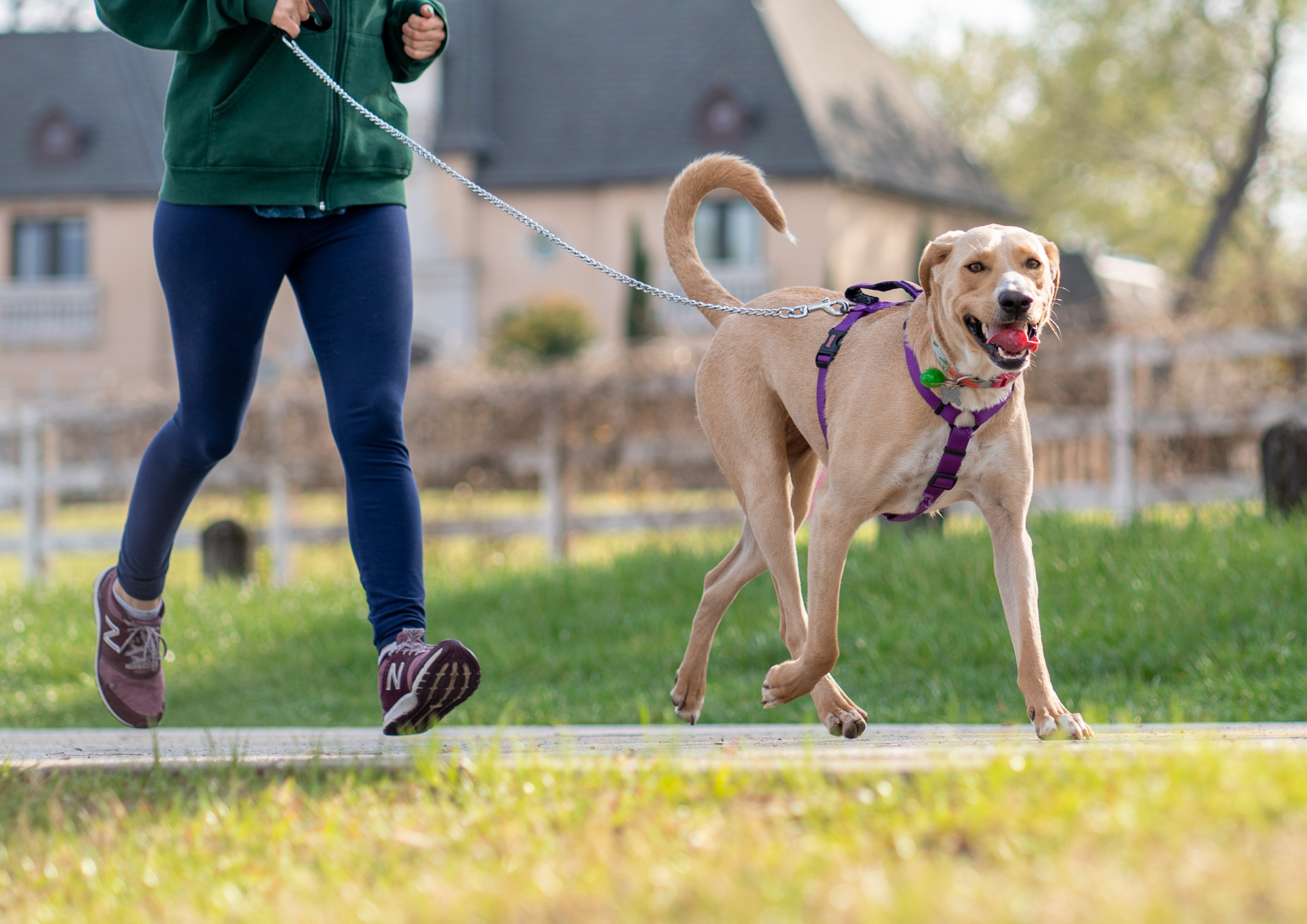
Following acupuncture treatment, many pets appear more relaxed, comfortable, and content. Owners often notice small but meaningful improvements – such as getting up more easily, enjoying longer walks, or returning to their favorite spot on the couch without hesitation.
What happens during the first appointment?
Before beginning treatment, we want to get to know your pet and understand their unique story.
We review medical records, diagnostic results, and current medications while discussing any changes or concerns you have noticed at home.
How long have the symptoms been present? What has changed recently? Are there activities that used to be easy but have become difficult? How is your pet sleeping, eating, and drinking?
The more information you can provide, the better we can evaluate whether acupuncture may be beneficial and how it can best fit into your pet’s treatment plan.
This consultation differs somewhat from a routine clinical examination. In addition to the standard assessment, we evaluate the sensitivity of specific acupuncture points and perform traditional diagnostic evaluations such as tongue and pulse assessment. Together, these findings help us determine whether acupuncture may be appropriate for your pet.
Because just as no two patients are exactly alike, there is no single treatment approach that works for everyone.
Will acupuncture hurt my pet?
This is by far the most common question we hear—and we completely understand why.
The idea of needles can sound intimidating to many pet owners. However, acupuncture needles are extremely fine—much thinner than the needles used for blood sampling or injections.
Of course, every pet is different. Some pets remain alert throughout the session and carefully watch everything we do. Others are more interested in searching for treats nearby. And some become so relaxed that they simply fall asleep during treatment.
What does an acupuncture treatment look like?
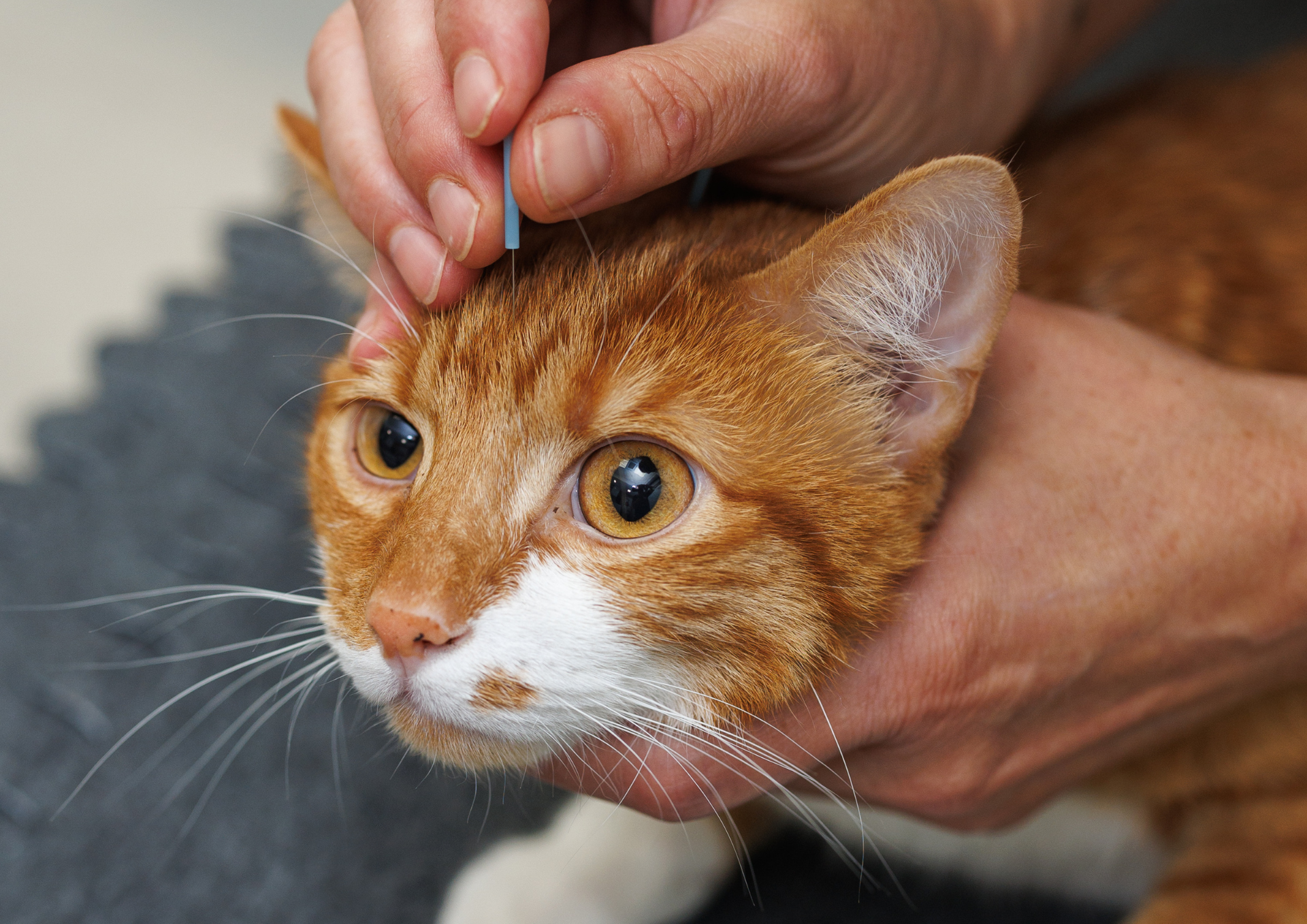
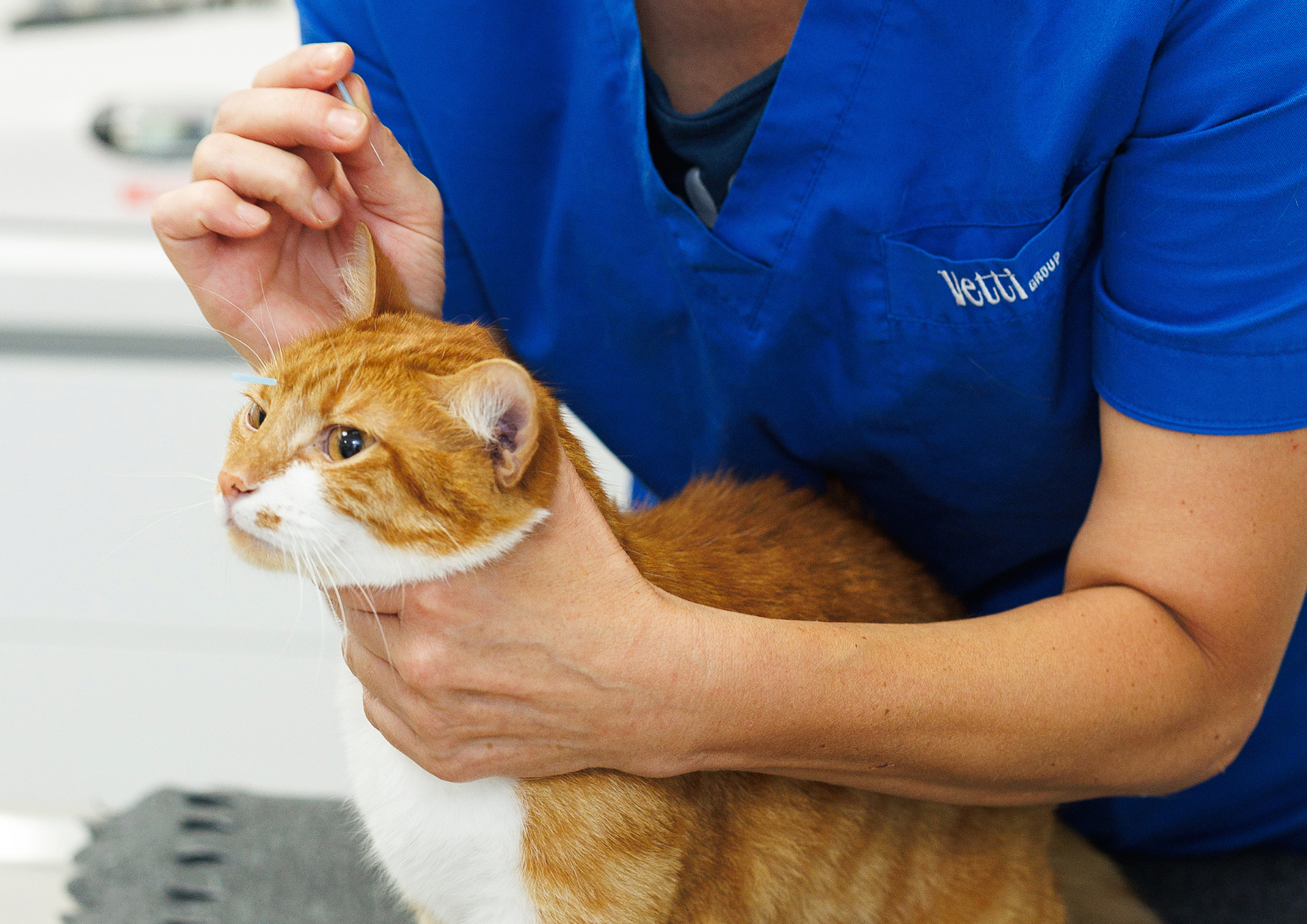
After the initial examination and treatment planning, we place sterile, ultra-fine needles at carefully selected acupuncture points.
Depending on your pet’s condition and individual needs, we may also incorporate additional technique like electroacupuncture, moxibustion and aquapuncture.
During aquapuncture, small amounts of liquid – such as vitamin B complex, herbal extracts, or sterile saline – are injected into specific acupuncture points to prolong and enhance the therapeutic effect.
The number of needles used and the duration of treatment vary depending on the condition being treated and the individual patient. Most sessions last between 10 and 30 minutes.
Throughout the appointment, we aim to create a calm and comfortable environment where pets can relax and feel safe.
After treatment, some pets may appear slightly sleepy or more relaxed than usual, while others return immediately to their normal activities.
And if you’re curious about what veterinary acupuncture looks like in practice, take a look at one of our acupuncture sessions in our practice. 😉
Is acupuncture the right choice for my pet?
There is no one-size-fits-all answer to this question.
For many dogs and cats, acupuncture can be a valuable part of a broader treatment strategy, especially when the goal is to reduce pain, improve mobility, or support recovery after injury or surgery.
That is why we always evaluate each pet individually before starting treatment, taking into account their medical condition, needs, and treatment goals.
If we believe acupuncture may help, we will work with you to establish realistic expectations and monitor the improvements that matter most to your pet – whether that means getting up more easily, enjoying walks again, or returning to everyday activities.
Frequently Asked Questions About Acupuncture for Dogs and Cats
How soon can I expect to see results from acupuncture?
Some pet owners notice positive changes after the first or second treatment session, while others may require several treatments before improvements become apparent.
Can cats receive acupuncture?
Yes. Although many owners assume that cats will be less tolerant of treatment, many feline patients handle acupuncture very well. The approach is always tailored to each cat’s personality and comfort level.
Does my pet need sedation during acupuncture?
No. Most dogs and cats tolerate acupuncture comfortably without the need for sedation.
Can my pet eat and exercise normally after treatment?
In most cases, yes. Most pets can resume their normal daily activities immediately after treatment, although some may be more relaxed or sleepy for the remainder of the day.
Is acupuncture suitable for senior dogs?
Absolutely. Acupuncture is commonly used in senior dogs, particularly for arthritis, chronic pain, and mobility issues. The goal is to help older pets move more comfortably and enjoy their daily activities.
Ivana Hlušička DMV, univ.mag.spec., cVA
Veterinary practice BUBA