6 Common Myths About Pet Dental Care
Caring for your pet’s teeth isn’t a trend – it’s a key part of their long-term health and well-being. However, many myths about veterinary dentistry still circulate, often leading owners to delay treatment or settle for incomplete solutions. A great example is the popular belief that ultrasonic teeth cleaning without sedation is just as effective, safer, and more “natural.”
Myth 1: Ultrasonic teeth cleaning without sedation is a better and safer option
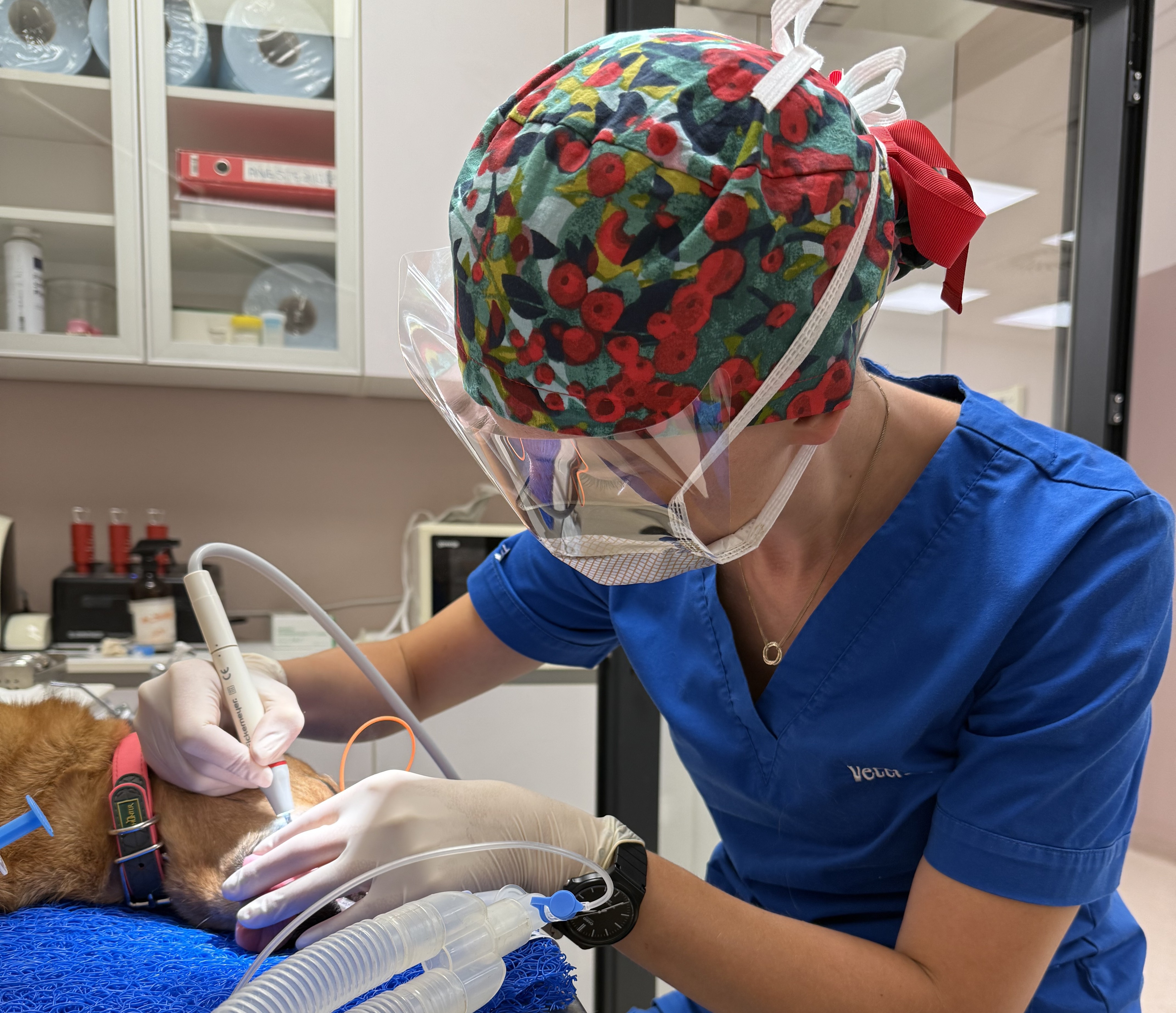
This may sound logical until you realize it only removes surface buildup, without allowing examination or treatment of problems below the gumline. In dogs and cats, most dental disease occurs beneath the gums, where more than half of the tooth structure is located. Without sedation, it’s not possible to properly access back teeth, inner surfaces, or sensitive areas along the gums. Sedation allows for a complete dental procedure, including examination of oral soft tissues, detailed assessment of each tooth, and most importantly, dental X-rays. X-rays often reveal hidden issues such as inflammation, bone loss, tooth resorption, or root abscesses. While fear of anesthesia is understandable, modern inhalation anesthesia – like the one used at Veterinarska klinika BUBA – is extremely safe. The real risk lies in allowing dental disease to progress, causing pain, infection, and long-term damage to overall health.
Myth 2: Dental procedures are expensive and dangerous
The most common reasons for avoiding dental procedures are fear of anesthesia and cost. However, a proper dental procedure involves a team of professionals, anesthesia monitoring, diagnostics, and treatment – far more than just “cleaning teeth.” Timely treatment prevents pain, inflammation, and serious complications affecting other organs. During the procedure, an anesthesiologist monitors the patient continuously. Recovery is usually quick, and most pets are able to eat soft food the same evening. Even older pets or those with chronic conditions can safely undergo dental procedures thanks to modern equipment and thorough preparation. At Veterinary Clinic BUBA, detailed pre-anesthetic testing is performed, including blood work, cardiac evaluation, and imaging, to ensure maximum safety. The real danger is not anesthesia – it’s untreated disease.
Myth 3: Small dogs don’t have many dental problems
In fact, the opposite is true. Breeds such as Yorkshire Terriers, Poodles, Maltese, Pugs, Cavalier King Charles Spaniels, Chihuahuas, and other small breeds often have crowded, rotated, or misaligned teeth. This creates ideal conditions for plaque buildup and rapid development of gum disease. In these dogs, periodontal disease tends to progress earlier and more aggressively, often leading to bone loss and early tooth loss.
Myth 4: Early dental visits mean more frequent sedation
Proper and complete dental treatment usually means fewer sedations, not more. Once diseased teeth are treated and owners maintain good daily oral hygiene (such as regular brushing), only routine check-ups are typically needed. In practice, we often see the opposite – delaying treatment leads to more severe conditions and the need for more procedures.
Myth 5: A broken tooth Always means extraction
If a canine or incisor tooth is fractured and treated within 48 hours, it may be possible to save the tooth with appropriate therapy. For back teeth, extraction is more commonly required. Timing is crucial, as untreated fractures cause long-term pain – often without obvious visible symptoms.
Myth 6: Food and chewing bones solve everything
The belief that dry food or chewing bones can prevent dental problems is one of the most widespread myths. Dogs often swallow food without chewing it thoroughly, and bones or hard treats can damage enamel and cause fractures. While they may help reduce buildup on back teeth, they do not clean front teeth and cannot replace proper dental care or regular veterinary check-ups.
How to recognize a problem?
Bad breath, visible tartar, changes in chewing habits, or a preference for softer food are often the first signs. However, pets tend to hide pain very well. Many owners only realize how much discomfort their pet was in after treatment. If you notice bad breath – the problem is already there.
Teeth may seem like a small detail, but they make a big difference. Regular check-ups and comprehensive dental care mean fresher breath, a healthier smile, and many more happy years with your pet. Because when the smile is healthy – life is better for both of you.
Sandra Brajša Moslavac, DVM
Kristina Perez, DVM
Veterinary Clinic BUBA