


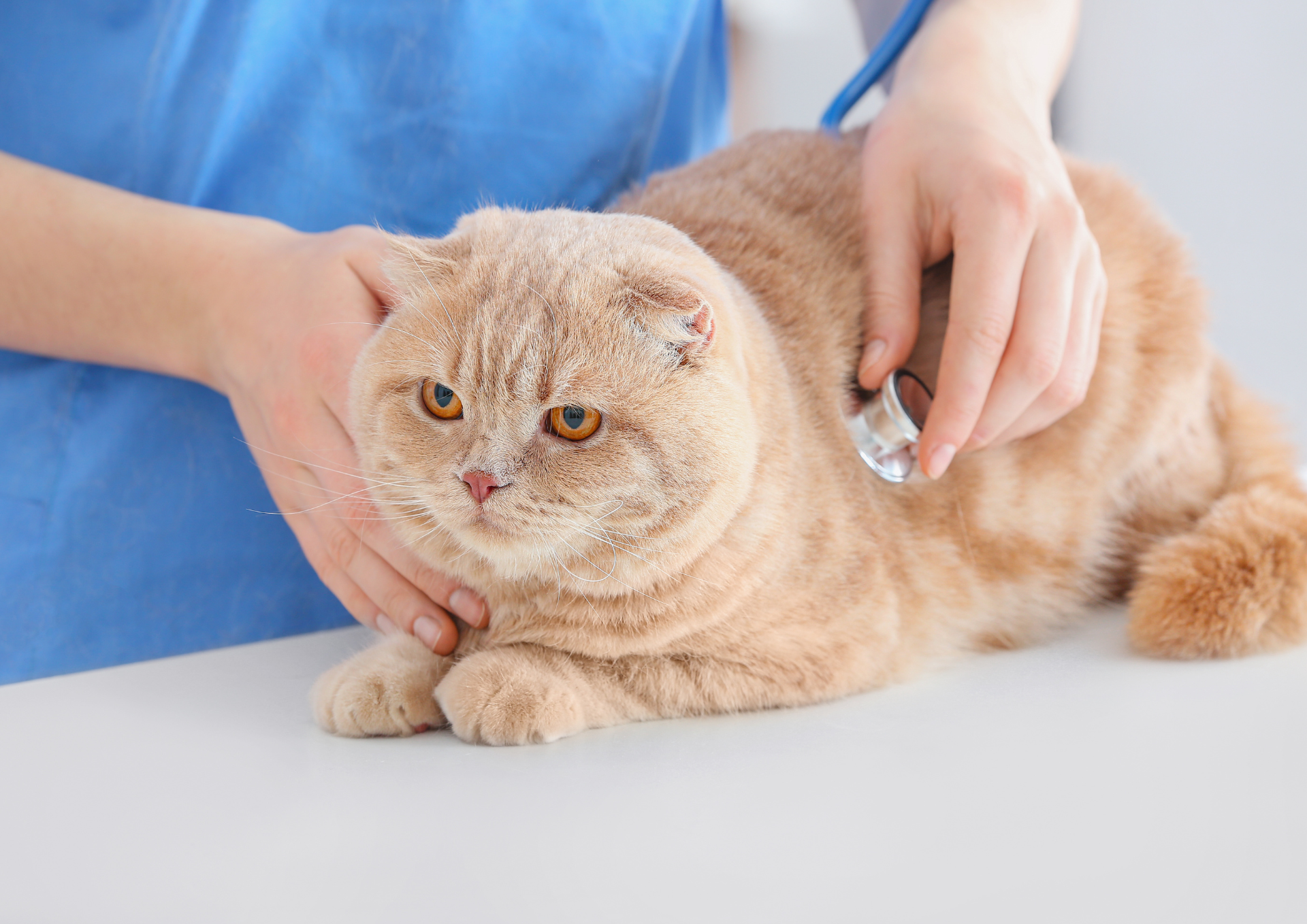
How to Recognize Heart Disease in Pets?
Heart disease in pets often develops gradually and can go unnoticed for a long time. That is why it is important to recognize the first warning signs early and seek veterinary advice.
Among the most common diseases of the heart muscle are dilated cardiomyopathy in dogs and hypertrophic cardiomyopathy in cats. Although these are different conditions, both can lead to heart failure and serious health complications if not detected in time.
Dilated Cardiomyopathy in Dogs
Dilated cardiomyopathy is a disease of the heart muscle in which the heart chambers become enlarged and the heart loses its ability to pump blood efficiently throughout the body.
It most commonly occurs in large and giant breed dogs. Dobermans, Labrador Retrievers, Boxers, and Great Danes are particularly predisposed. A specific form of the disease associated with taurine deficiency has been described in Cocker Spaniels, while Boxers are more prone to arrhythmogenic right ventricular cardiomyopathy (ARVC).
The disease is diagnosed more frequently in middle-aged and older male dogs.
Symptoms to Watch For
Dilated cardiomyopathy often does not cause visible symptoms for a long time. When symptoms do appear, they most commonly include:
- reduced exercise tolerance
- rapid fatigue
- lethargy
- coughing
- difficult or rapid breathing
- weakness
- fainting (syncope)
- abdominal enlargement
During a clinical examination, the veterinarian may detect a heart murmur, cardiac arrhythmias, or other signs of heart disease.
How Is the Diagnosis Made?
If heart disease is suspected, a cardiology work-up is recommended and may include an ECG, chest radiographs, echocardiography with Doppler, and blood and urine laboratory tests.
Although dilated cardiomyopathy cannot be cured, an early diagnosis and appropriate treatment can significantly improve the affected dog’s quality of life. Depending on the patient’s clinical condition, treatment may include medications that support heart function, regulate heart rhythm, reduce fluid accumulation, and improve circulation.
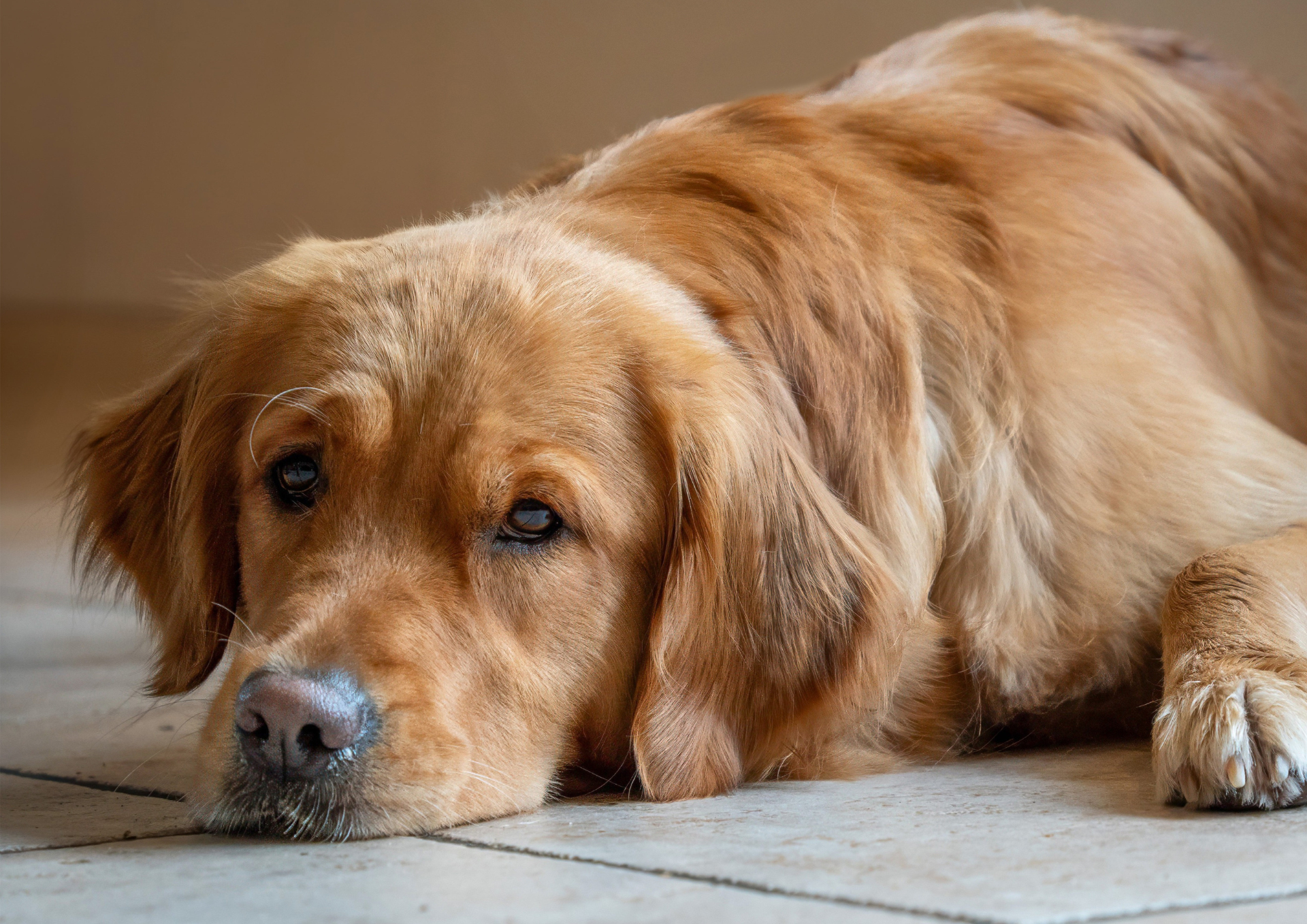
Hypertrophic Cardiomyopathy in Cats
Hypertrophic cardiomyopathy is the most common heart muscle disease in cats. It is characterized by thickening of the left ventricular wall, making it more difficult for the heart to fill with blood between heartbeats.
A diagnosis of hypertrophic cardiomyopathy is made after excluding other conditions that can also cause thickening of the heart muscle, such as hyperthyroidism and systemic hypertension.
Inherited forms of the disease have been described in several cat breeds, including the Maine Coon, Ragdoll, Persian, and British Shorthair, although the disease can develop in any cat.
Symptoms That May Indicate Heart Disease
Some cats show no symptoms for years, while in others the disease may progress very rapidly.
The most common signs include:
- rapid or difficult breathing
- reduced activity
- weakness
- increased respiratory rate
- sudden paralysis of the hind limbs due to thromboembolism
- sudden death
During a clinical examination, the veterinarian may detect a heart murmur, a gallop rhythm, or an increased heart rate.
Why Is It Important to React Early?
As the disease progresses, heart failure may develop, leading to fluid accumulation in the lungs or chest cavity. In some cats, the risk of blood clot formation also increases, which may result in thromboembolism and sudden paralysis of the hind limbs.
The most reliable method for diagnosing hypertrophic cardiomyopathy is echocardiography with Doppler, while ECG and chest radiographs may also be used when necessary.
Although the disease cannot be cured, treatment can help control symptoms and improve the affected cat’s quality of life. The course of the disease varies from cat to cat. While the disease may progress rapidly in some animals, others can maintain a good quality of life for many years with appropriate treatment and regular check-ups.
When Should You Contact a Veterinarian?
If you notice that your pet tires more easily, has difficulty breathing, coughs, loses consciousness, or shows sudden changes in behavior, it is recommended to schedule a veterinary examination as soon as possible.
Heart disease often develops gradually, and early detection allows timely treatment and better long-term prospects for maintaining a good quality of life for both dogs and cats.
Frequently Asked Questions (FAQ)
What are the first symptoms of heart disease in dogs and cats?
The first signs may include fatigue, reduced exercise tolerance, rapid or difficult breathing, coughing, and changes in behavior. In some pets, symptoms may be absent for a long time.
Which dog breeds are at increased risk of dilated cardiomyopathy (DCM)?
DCM is most commonly diagnosed in Dobermans, Labrador Retrievers, Boxers, and Great Danes, but it can also occur in other large and giant breed dogs.
How is hypertrophic cardiomyopathy (HCM) diagnosed in cats?
The most reliable diagnostic method is echocardiography with Doppler. Additional tests such as an ECG and chest radiographs can help assess the condition of the heart and identify possible complications.
Can a dog or cat live a normal life with cardiomyopathy?
Although cardiomyopathies cannot be cured, many dogs and cats can maintain a good quality of life for years with an early diagnosis, appropriate treatment, and regular veterinary check-ups.
Lea Kreszinger, DMV
Veterinary clinic BUBA