



Urinary Tract Diseases in Dogs and Cats: Urinary Stones and Hydronephrosis
The urinary system plays a vital role in maintaining overall health. When urine production, storage, or elimination is disrupted, various conditions can develop that significantly affect a pet’s quality of life. Among the most common urinary tract diseases in dogs and cats are urinary stones (uroliths) and hydronephrosis.
Urinary Stones (Uroliths)
Certain minerals found in urine do not dissolve completely and can form crystals. As these crystals accumulate, they develop into urinary stones, also known as uroliths. The most common types are struvite and calcium oxalate stones.
Uroliths can occur in different parts of the urinary tract. In some cases, they may not cause obvious symptoms, but they can lead to bladder inflammation (cystitis) or partial or complete urinary tract obstruction.
Risk Factors for Urinary Stones
Several factors contribute to the development of urinary stones, including:
- urinary tract infections
- genetic predisposition
- diet
- urine volume
- frequency of urination
Urinary stones are more commonly observed in pets that live primarily indoors and have limited physical activity. Excess body weight is also considered a significant risk factor.
Breeds Predisposed to Urinary Stones
Although urinary stones can develop in any dog, certain breeds are more prone to them.
Struvite stones are most commonly seen in Miniature Schnauzers, Shih Tzus, Miniature Poodles, Cocker Spaniels, Lhasa Apsos, and Havanese dogs.
Calcium oxalate stones occur more frequently in Miniature Schnauzers, Lhasa Apsos, and Yorkshire Terriers.
Urinary stones can develop in dogs of any age, although they are rarely diagnosed in very young animals because time is required for stone formation.
Struvite stones are more common in females, while calcium oxalate stones occur more frequently in male dogs and cats.
Symptoms of Urinary Stones
Clinical signs are usually caused by irritation of the urinary tract lining or impaired urine flow.
The most common symptoms include:
- changes in urine volume
- frequent urination
- difficult or painful urination
- blood in the urine
- straining during urination
When stones are located in the kidneys or ureters, abdominal pain may occur. In some cases, the condition can remain unnoticed for a long period. Severe cases may result in chronic kidney damage and the development of uremia.
Diagnosis and Treatment of Urinary Stones
During a physical examination, larger bladder stones may sometimes be detected by palpation. However, many stones are very small, and additional diagnostic tests are usually required to confirm the diagnosis.
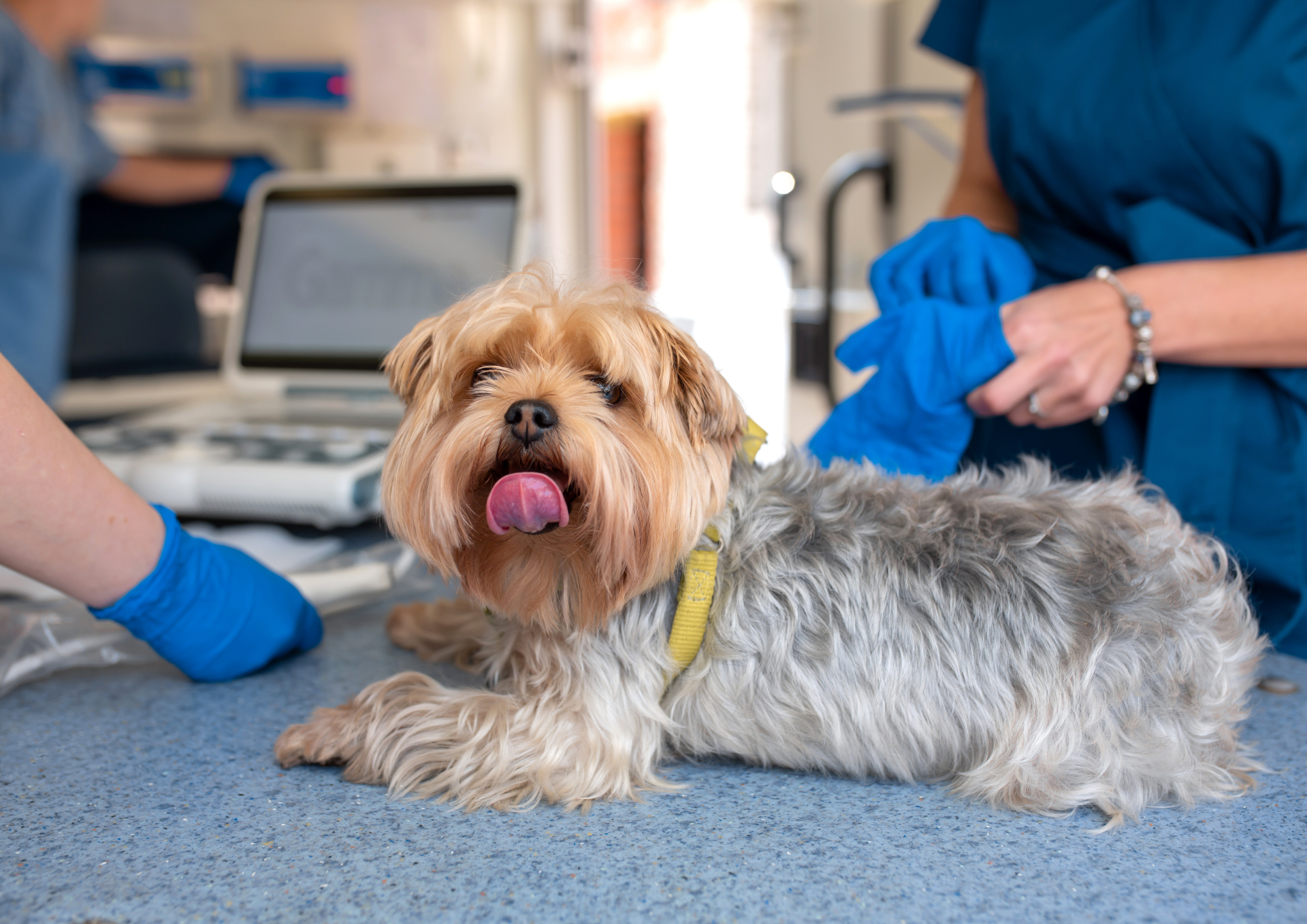
Ultrasound examination allows visualization of the urinary tract and detection of stones, while radiography (X-rays) can help identify certain types of uroliths and assess their number, size, and location.
If complete urinary tract obstruction occurs, a pet’s condition can deteriorate rapidly and become life-threatening. Acute kidney failure may develop, requiring immediate veterinary treatment.
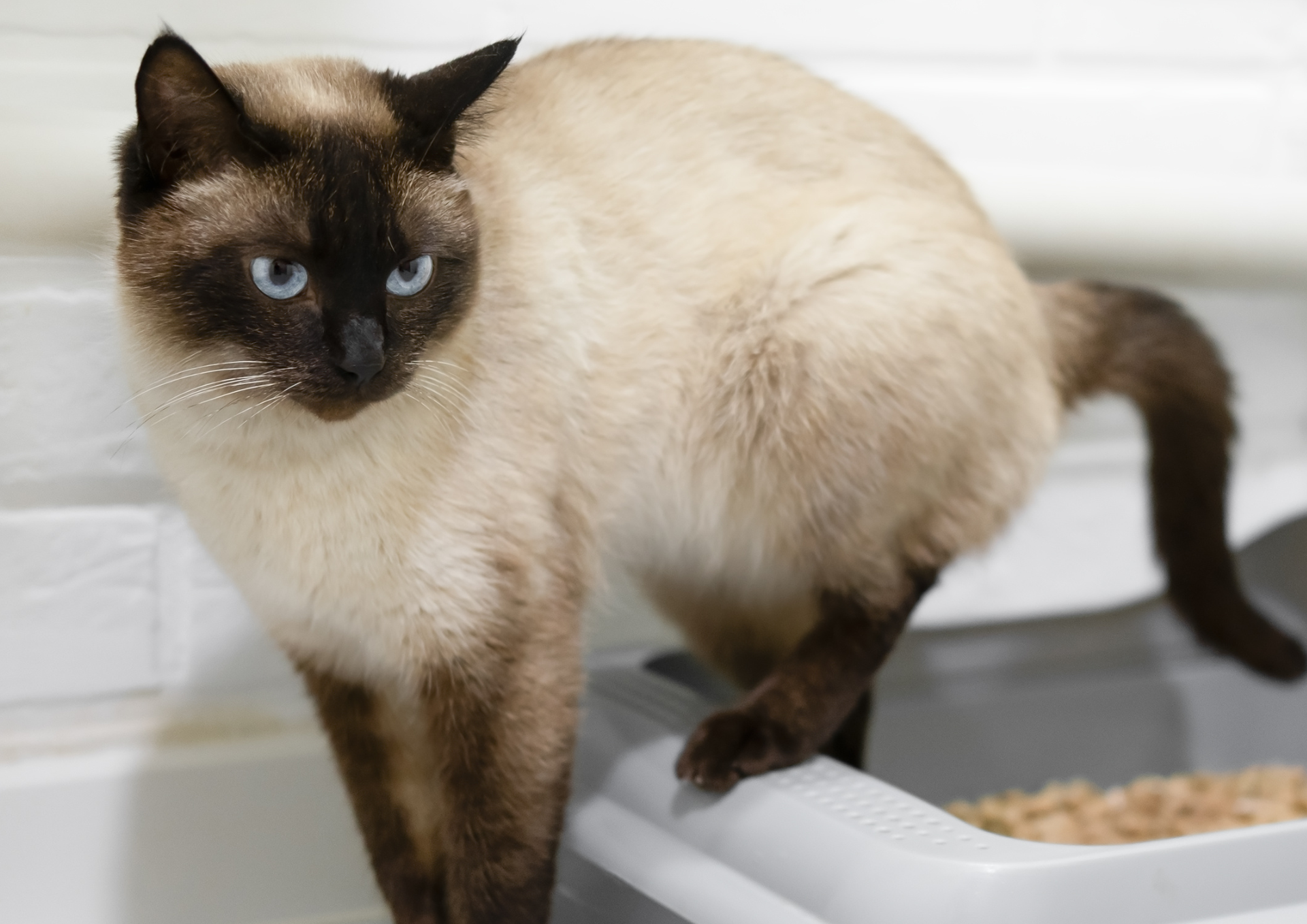
Urethral obstruction is particularly common in male cats. If you notice your cat straining to urinate without producing urine, veterinary attention should be sought immediately.
Depending on the findings, treatment may involve urinary catheterization or surgical removal of the stones. Following treatment, a special veterinary diet is often recommended to help prevent recurrence.
Because urinary stones frequently cause urinary tract inflammation, treatment may also include antibiotic therapy.
Hydronephrosis
Hydronephrosis is a condition caused by partial or complete obstruction of urine flow from the kidney. As a result, the renal pelvis becomes dilated and kidney tissue gradually deteriorates. The degree of dilation depends on the duration and severity of the obstruction.
Causes of Hydronephrosis
The causes of hydronephrosis can be divided into congenital and acquired conditions.
Congenital causes include:
- ureteral atresia
- ureteral stenosis
- ureteral torsion
- ureterocele
- ectopic ureter
Acquired causes include:
- tumors
- blood clots
- trauma
- urinary stones
- inflammatory processes
- iatrogenic ureteral injury or ligation during surgical procedures
How Does Kidney Damage Occur?
When urine outflow is obstructed, pressure builds up within the renal pelvis, causing it to dilate. Over time, blood vessels become compressed, blood supply decreases, and kidney tissue gradually degenerates.
In advanced cases, the kidney may become a large fluid-filled structure with only a thin layer of functional kidney tissue remaining.
Kidney failure typically develops when both kidneys are affected.
Possible Complications
One of the most common complications of urinary tract obstruction is bacterial infection. An enlarged kidney may sometimes be felt as a firm abdominal mass during examination.
Diagnosis and Treatment of Hydronephrosis
Ultrasound is the primary diagnostic tool used to identify hydronephrosis and assess the severity of changes within the kidney.
Excretory urography is considered a highly sensitive method for detecting mild dilation of the renal collecting system and may assist in diagnosing conditions such as pyelonephritis, a bacterial infection of the renal pelvis.
Treatment is primarily focused on eliminating the cause of the obstruction. For example, when urinary stones are responsible, a surgical procedure such as ureterotomy may be required.
In severe cases of unilateral hydronephrosis, surgical removal of the affected kidney (nephrectomy) may be necessary, provided the opposite kidney is functioning normally.
Unfortunately, the prognosis for bilateral hydronephrosis accompanied by kidney failure is generally poor.
When Should You Seek Veterinary Care?
Difficulty urinating, straining without producing urine, blood in the urine, or sudden changes in urination habits should always prompt a veterinary examination. Early diagnosis and treatment can help prevent serious complications and significantly improve the outcome.
Frequently Asked Questions (FAQ)
How can I tell if my dog or cat has a urinary tract problem?
Urinary tract problems may present as frequent urination, painful or difficult urination, straining to urinate, blood in the urine, or changes in urine volume. Any sudden change in urination habits should be evaluated by a veterinarian.
Are urinary stones dangerous in dogs and cats?
Urinary stones can cause inflammation of the urinary tract, pain, and difficulty urinating. In severe cases, they may lead to partial or complete urinary tract obstruction, which is considered a medical emergency.
Why does my cat keep trying to urinate but nothing comes out?
Straining without producing urine may indicate a urinary tract obstruction. This condition is especially common in male cats and can become life-threatening very quickly. Immediate veterinary attention is required.
Can urinary stones be prevented from coming back?
After treatment, veterinarians often recommend a specially formulated diet designed to reduce the risk of stone recurrence. Following dietary recommendations and attending regular veterinary check-ups are important parts of long-term
Lea Kreszinger, DMV
Veterinary Clinic BUBA