


Kidney Disease in Dogs and Cats: Symptoms, Diagnosis, and the Importance of Nutrition
Kidney disease in dogs and cats is silent, subtle, and unfortunately very common – especially as pets age. It often develops gradually, without obvious warning signs, which is why many owners only notice it once kidney function is already significantly impaired. That’s exactly why it’s important to talk about it early.
Why are kidneys so important?
Kidneys may be small, but they do a big job. They filter the blood daily, remove waste products from the body, regulate water and mineral balance, help maintain blood pressure, and support acid-base balance. When the kidneys don’t function properly, the entire body is affected.
Acute vs. chronic – not the same
Kidney disease doesn’t always look the same. Acute kidney injury occurs suddenly – for example, due to poisoning, severe dehydration, infection, or certain medications. It can be serious, but with prompt treatment, it is often reversible. Chronic kidney disease, on the other hand, develops slowly and quietly. It is usually diagnosed only after around 75% of kidney function has already been lost. While it cannot be cured, it can be successfully managed and its progression significantly slowed with the right approach.
Who is at higher risk?
Kidney disease can affect any dog or cat, but it is more common in older pets. Risk factors include genetics, poor or inappropriate nutrition (especially diets high in phosphorus), chronic illnesses, repeated dehydration, infections, and exposure to toxins.
Signs you shouldn’t ignore
Kidney disease rarely “shouts” – it whispers, making it easy to miss. Pay attention if your pet:
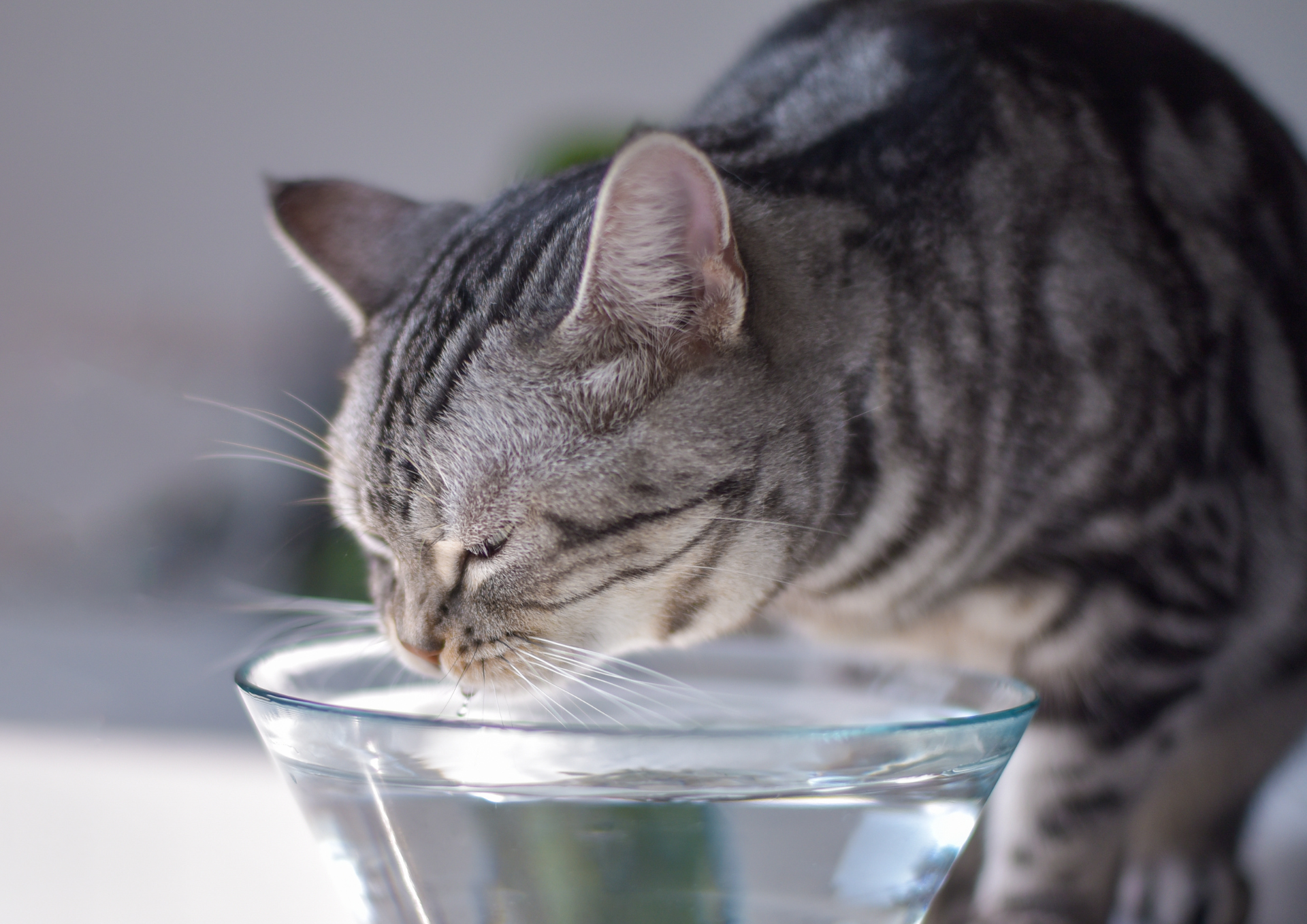
• drinks more water than usual
• urinates more frequently
• eats less or loses weight
• has bad breath
• occasionally vomits or has diarrhea
• seems tired or lethargic
• has a dull or poor-quality coat
If you feel like “something has changed,” trust your instincts.
What does diagnosis look like at Veterinary Clinic BUBA?
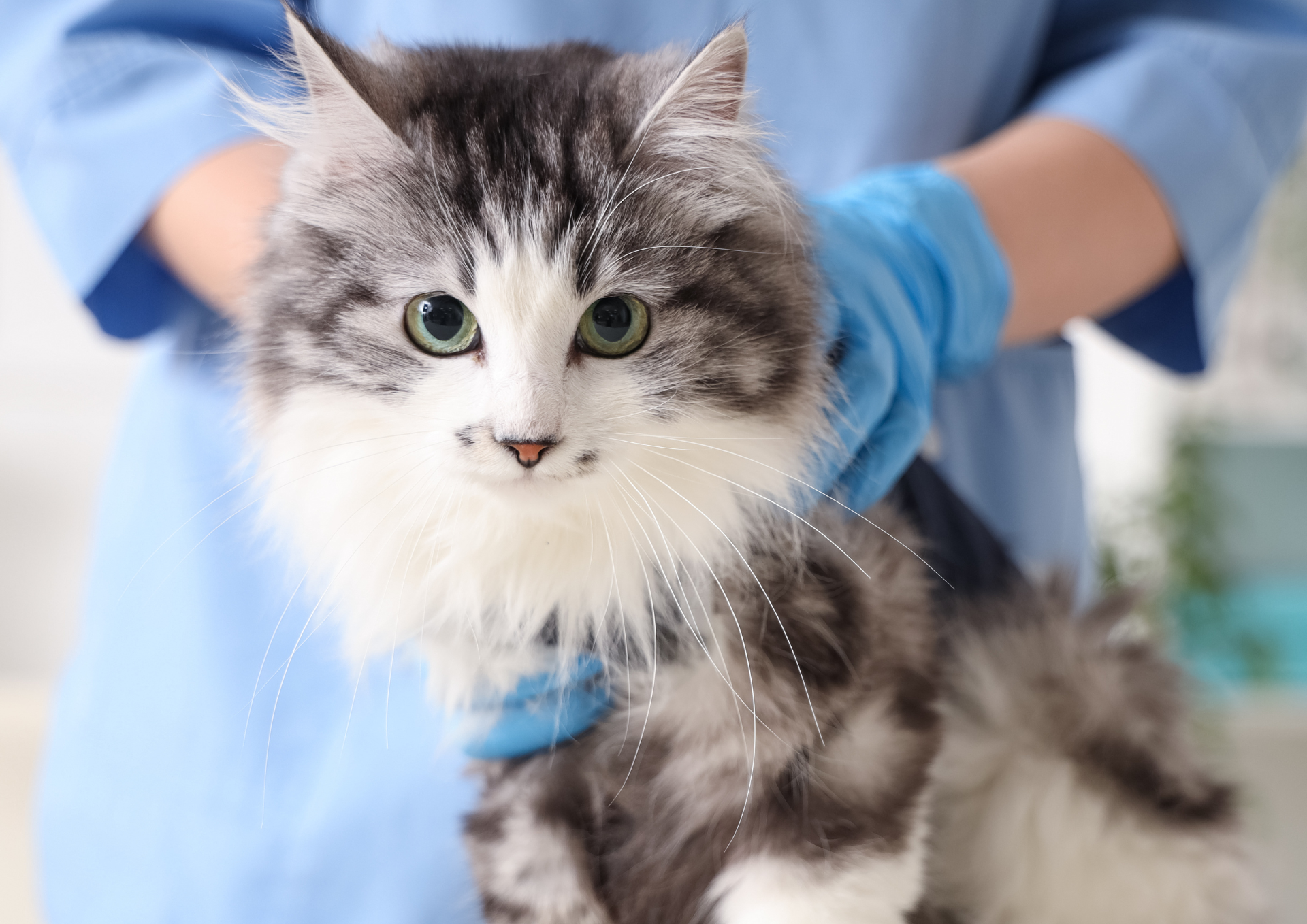
At our clinic, we offer a Renal Care package, which includes a complete blood count, urinalysis, and a biochemical kidney profile. We also provide a kidney monitoring profile for pets already diagnosed with kidney disease or those in the early stages of diagnosis. These tests offer valuable insight into kidney function – often before clear symptoms appear.
Nutrition as the foundation of long-term care
When it comes to kidney disease, diet is not secondary – it is the foundation of treatment. A properly formulated renal diet contains reduced levels of phosphorus and sodium, along with controlled amounts of high-quality protein. This type of nutrition can significantly improve quality of life and slow disease progression. In some cases, dietary supplements that bind phosphorus in the digestive system are also used, helping to reduce the burden on the kidneys.
A final, important message
Kidney disease is not a life sentence – but it is a call for attention. Regular check-ups, early diagnosis, and individualized treatment can make a significant difference.
Saša Dujanović, DVM
Veterinary Clinic and Practice BUBA
Frequently asked questions (FAQ)
How can I tell if my pet has kidney problems?
Common signs include increased thirst, frequent urination, reduced appetite, weight loss, vomiting, and lethargy. The challenge is that symptoms often appear only in later stages of the disease.
At what age does kidney disease usually occur?
Kidney disease is most commonly diagnosed in older dogs and cats, but it can occur earlier, especially if additional risk factors are present.
What is the difference between acute and chronic kidney disease?
Acute kidney disease develops suddenly and may be reversible if treated promptly. Chronic kidney disease develops gradually, cannot be cured, but can be managed long-term.
Why is kidney disease often diagnosed late?
Because the kidneys can function for a long time without visible symptoms. Clinical signs usually appear only after a significant loss of function.
What is a kidney profile and when should it be done?
A kidney profile is a laboratory blood test that evaluates kidney function. It is recommended when disease is suspected, for older pets, and as part of preventive check-ups.
How important is diet for pets with kidney disease?
Proper nutrition is one of the most important parts of treatment. It can slow disease progression and significantly improve quality of life.
When should I contact a veterinarian?
If you notice changes in behavior, appetite, drinking, or urination – or if your pet is older – it’s best not to wait and to schedule a check-up.